


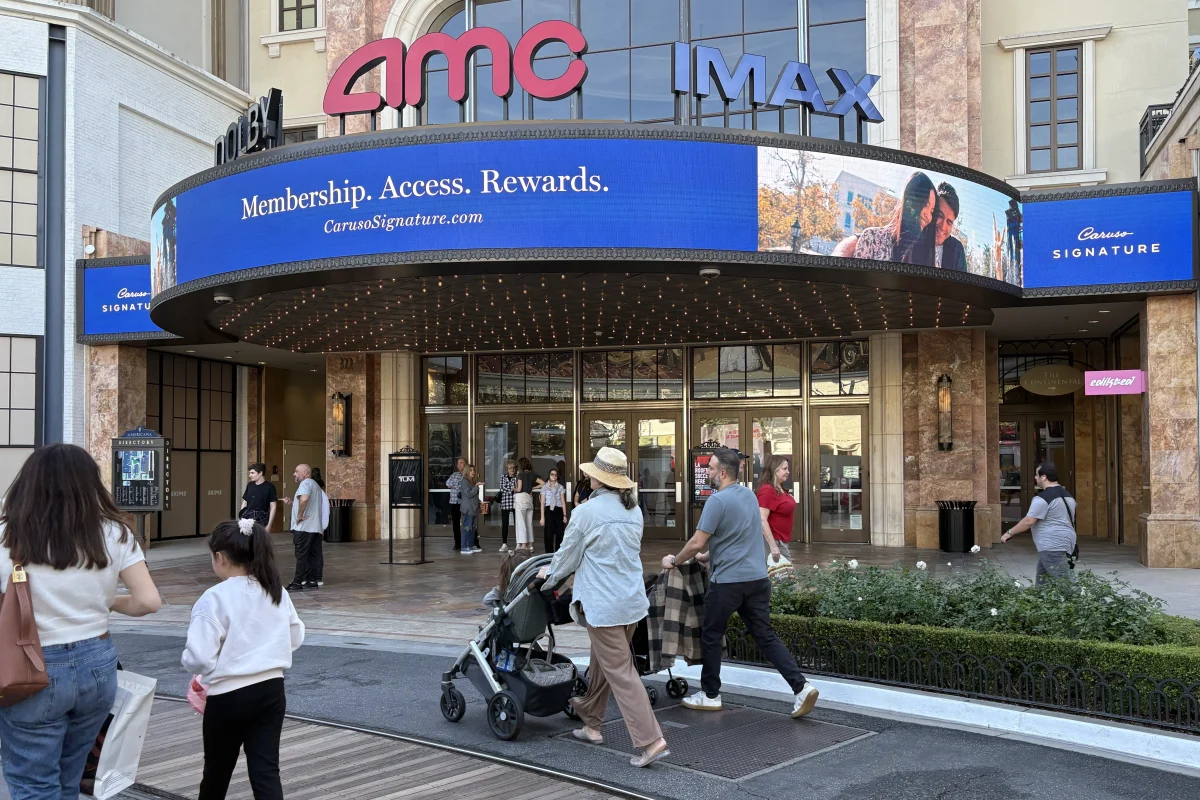
2025 offered a mix of movies for all audiences, from family movies like “Zootopia 2,” to action pictures like “Avatar: Fire & Ash“ and dramas like “Marty Supreme.” However, despite these films’ commercial success, theaters have been lacking sufficient attendance from moviegoers, notably since the end of the prepandemic period.
In 2019, North American box offices reached $11.3 billion. While this was a slight decrease from 2018, it represented one of the highest domestic box office revenues, and one article in the San Diego Union Tribune considers this the last “normal” year for theater attendance. Comparatively, an estimated $8.87 billion was garnered in 2025 — a 21.5% decrease from 2019. So why did such a drastic change occur in the theatrical film industry?
Film teacher Brooke Sebold said the COVID-19 pandemic played a major role in how cinema releases are viewed. They said COVID-19 changed the nature of scheduling plans and going to see movies. Due to pandemic-affiliated theater shutdowns, the original 90-day theatrical release window effectively collapsed, and movies began appearing on streaming services earlier.
“I think it just made us much more comfortable with watching movies at home,” Sebold said. “I almost feel like we lost touch a little bit with the magic of going to movies.”
The rise of streaming has been a key factor in why audiences decide to watch movies from the comfort of their own home, Sebold said. They said this choice is often made because of convenience and on-demand access.
“Streaming is definitely one of them,” Sebold said. “Now we have the knowledge that when a film is released in the theaters, shortly after, it will be available at home.”
Phoebe Gustafson (’27) is enthusiastic about film and tries to see movies in theaters as frequently as possible. Gustafson said she thinks a rise in disengaged audiences drives people away from movie theaters and risks ruining the moviegoing experience.
“There’s been a rise in people losing interest or not caring about a movie as much inside the theater,” Gustafson said, “which I think goes in with the etiquette of some people pull out their phones now or whispering to each other the whole time.”
While Gustafson said she does not appreciate audience members being disrespectful, Sebold said the “magic” of seeing a movie in theaters also includes a social aspect that is not attainable at home.
“When you’re sitting in an audience of people and you’re watching a comedy and other people are laughing, you’re more likely to laugh, versus when you’re sitting at home by yourself on a couch,” Sebold said. “You see that same joke, and it doesn’t necessarily land in the way where you’re going to have that somatic response of laughing.”
Tickets have faced significant price hikes due to inflation, up 15% from prepandemic figures as of 2023. Gustafson said price is a crucial factor that compels people to wait for films to appear on streaming platforms.
“Cheaper theaters — in LA at least — are $12 and can go up to $30,” Gustafson said, “so it’s a lot of money to spend on an experience you’re not 100% sure you’ll enjoy, because what if you don’t like the movie?”
Seeing older, well-known movies can help alleviate concerns over the quality of the film because there is more familiarity associated with it, senior Meadbh Brown said. Brown proposed that people attend repertory theaters, as they show older, classic movies to draw more people in.
“I saw a movie called ‘Mulholland Drive‘ in theaters recently, and that’s an old movie, but it was really a cool thing to see in theaters again,” Brown said, “because sometimes there aren’t great movies being made, but there’s always great old movies.”
Similar to Brown, Noah Johnson (’26) enjoys going to the movies with friends. With the exception of blockbuster movies, Johnson said she has seen fewer people attending movie theaters since the pandemic. Johnson said getting more people to see movies requires theaters to advertise the experience rather than the film itself.
“Being outside and not being stuck in your house is really important, regardless of if you want to go see a movie or not. Sometimes I go see movies that I don’t really want to see or that I don’t think are going to be great,” Johnson said. “But I go because I want to be outside, and I want popcorn — the experience of sitting down in a velvet seat, experiencing something that’s gone on for so long and being a part of something so significant culturally.”
Gustafson said she encourages noncinephiles to try to go to theaters as often as they can. Movies are an opportunity to become a part of an interconnected, global community, she said, and films are ways to relate to people and their experiences.
“Books and photography and paintings are all amazing in their own right, but I truly think there’s nothing else like seeing someone else’s experience represented in a moving picture on the screen,” Gustafson said. “I think there’s a movie for everybody. So it’s worth it to go out, support your theater and make a day of it. Go with your friends, give yourself an experience and consume some art.”


