


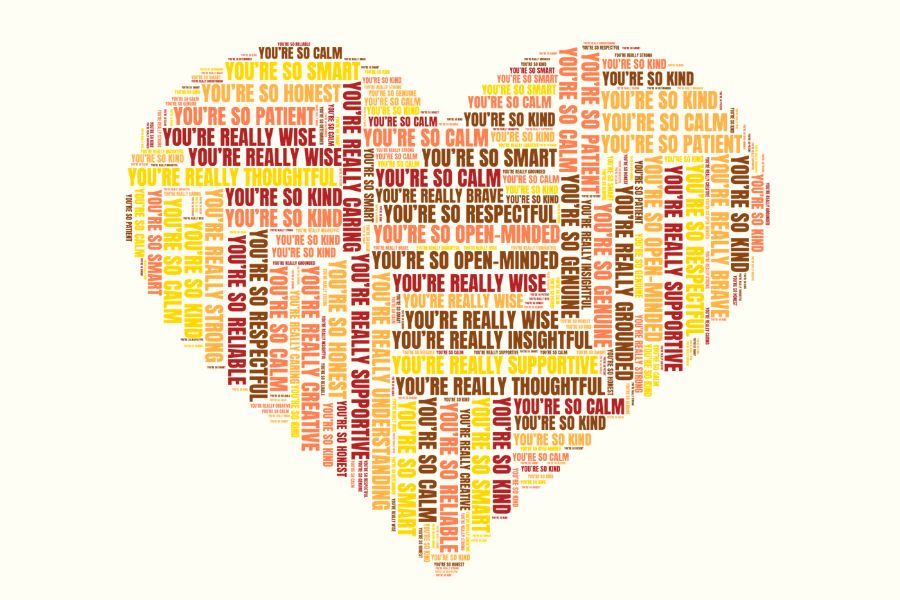
We all love a friendly comment from a friend or a stranger that affirms something about ourselves that we may have forgotten. Whether the comment is about our appearance or our intellectual ability, there’s a fuzzy feeling that results from compliments. This feeling is known as “Kama Muta” — a Sanskrit term meaning “moved by love.” The word describes the sudden experience of your heart feeling warm. Kama Muta results in physical sensations like warmth in the chest, crying or goosebumps. It happens when a person is having a shared experience of appreciation at events like a wedding or reunion.
I have experienced this feeling through something as simple as a compliment. Growing up, a lot of people around me — even strangers — would suggest that I should become a model. I always appreciated those comments, but they never really stayed with me. They felt surface-level, like they were only noticing how I looked in that moment.
The compliments that actually stick with me are the ones about my character. When someone tells me I’m thoughtful, hardworking or kind, it feels more authentic. It makes me think about what my character is, not just how I look. Those kinds of compliments last longer because who I am as a person does not change but my appearance does. They show that someone is paying attention to who I am on a deeper level, and that is what makes them more meaningful to me.
I recently enrolled in Sages and Seekers, a service program that connects teens with older adults. The program lasted seven weeks, and I was paired with an older adult who was called my sage. I met with my sage, Oma, every Thursday. We would talk about everything from our schedules to the poems we’d written, but what really stood out to me was how she gave me her affection, even over Zoom.
Oma made me feel seen in a way that had nothing to do with how I looked. It wasn’t about appearance at all — it was about who I am, what I think and how I express myself. When I shared my ideas or my writing, her compliments weren’t just meant to be nice — they were real. She noticed my thoughtfulness, my creativity and the feeling behind my words, and that’s why her words stuck with me.
I remember leaving our meetings feeling different, like she understood me. The week I shared my poems, her reaction was positive and heartfelt. I ended up in tears afterward, trying to explain to my mom why it meant so much. It wasn’t just that she liked my work, it was that she truly saw who I was through it.
Because of that, I started noticing how much I value compliments about my character over those about my appearance. Any comment about looks can feel fleeting, but when someone points out something about my personality, it lingers. With Oma, every little thing I said or shared felt important, which in turn, made me pay closer attention to her stories and her perspective.
I realized that this idea of meaningful affection applies to many parts of life. Affection doesn’t always come in words. Hugs are one way to show someone they matter. Even a quick hug can produce that same “fuzzy” feeling of being seen and valued. But affection also shows up in other ways: sharing your time, listening closely, sending a thoughtful message, celebrating small accomplishments or just being present when someone needs support. Small gestures, like holding the door open or making someone their favorite snack, can communicate care as strongly as words.
I’ve also noticed that affection comes through attention and presence. Sitting with someone when they are upset, laughing together or acknowledging their efforts can create the same warm, connected feeling that compliments about character do. In a world that often focuses on appearances or achievements, these moments of genuine attention remind us that people notice who we are, not just what we look like.
Whether it comes in words, hugs, or small gestures, affection has a way of reaching deep inside us. Those moments when someone truly sees who we are — like Oma did for me — can spark a warmth that lingers long after the moment ends. That’s Kama Muta: the sudden, quiet reminder that being noticed, understood and cared for can move us in ways nothing else can.



Arissa Lalani • Apr 24, 2026 at 2:51 pm
Dara, this is such a moving article. I enjoyed reading this so much, and you are an amazing writer!