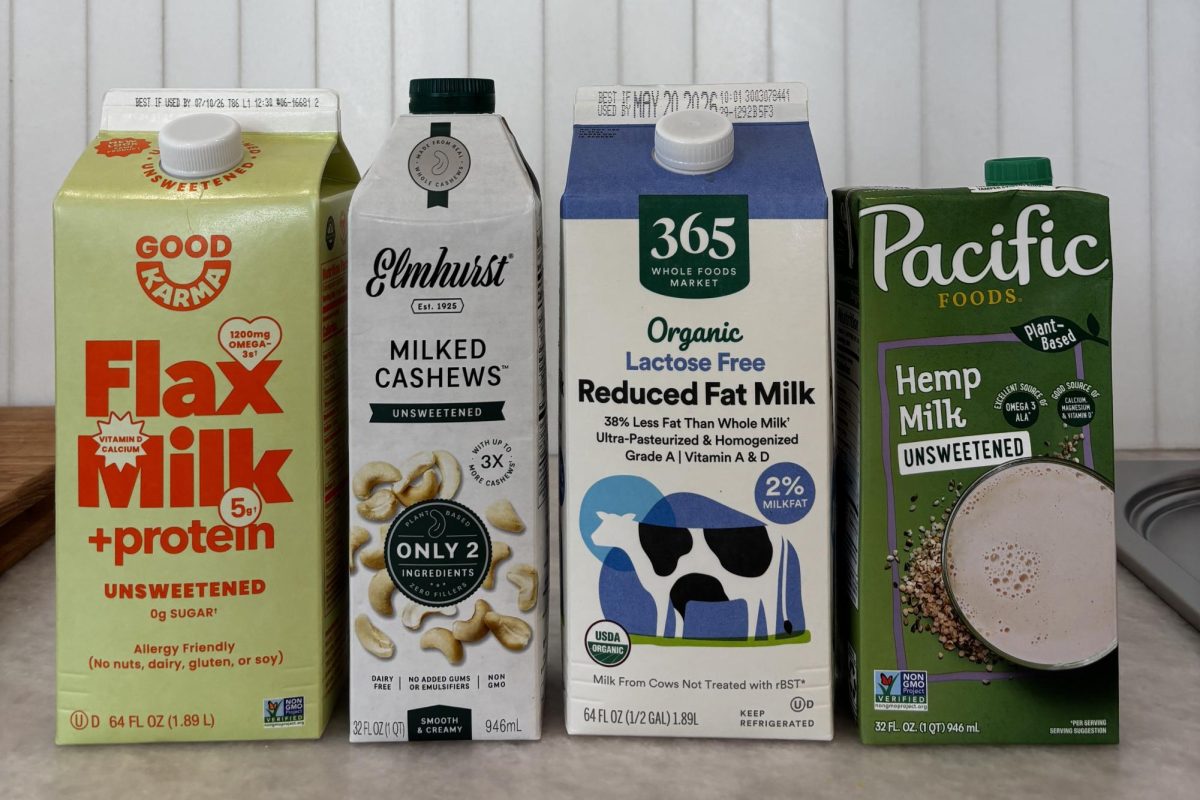

Phrases like “eco-friendly,” “planet-forward” and “biodegradable” on packaging, along with green labels and images of forests and plants, are all examples of potential greenwashing.
The Forest Stewardship Council defines greenwashing as the practice of creating an “impression of sustainability through false or misleading claims.” Greenwashing is something that brands often do intentionally; however, companies may accidentally share false information regarding their sustainability statements or policies. A study conducted in 2021 by the European Commission reviewed 344 sustainability claims. They found that 59% of the claims were not supported by evidence, and 42% were considered either false or deceptive.
Companies often use vague language like “eco-friendly” or “green” without including specific programs or certifications to back up their claims. Brands may label their products as biodegradable or recyclable, but neglect to include the specific conditions in which this is true. Branding with images of scenery and plants — or even the use of the color green — can give the idea that the company is sustainable when, in reality, they are using misleading marketing. Companies that greenwash aim to deceive consumers into thinking their products are sustainable.
Greenwashing comes with many detrimental outcomes for the health of our planet. When companies use greenwashing to attract more customers or public support, they are hindering progress toward a more sustainable planet.
In a world where misleading information and advertisements are becoming increasingly common, it is an important step for consumers to research and verify the sustainability goals and claims companies make. Here are three brands with verifiably sustainable missions and reliable certifications of their achievements.
1. Patagonia: The Sustainable Agency reports that Patagonia is a Fair Trade and B Corp-certified company. Instead of just explaining their sustainability efforts, Patagonia works to educate their consumers about the impact of their products. In 2011 Patagonia ran a Black Friday ad telling customers “Don’t Buy This Jacket” with information about the environmental effects of producing clothing to help combat over-consumerism. Although the ad raised their sales, they managed to spread awareness and educate others about the environmental impact of clothing and over-consumption.
2. Dr. Bronner’s: This soap and body care brand uses organic and sustainable ingredients. For the past 10 years, 75% of Dr. Bronner’s packaging has been made of 100% post-consumer recycled plastic. Their products are largely organic and don’t contain synthetic preservatives. Dr. Bronner’s has many certifications, like a B Corp certification, Regenerative Organic Certified, USDA Organic, Oregon Tilth Certified Organic and Leaping Bunny.
3. Pela Case: This innovative iPhone case company makes their cases out of 45% plant-based materials. Their products take around six months to fully decompose in backyards or industrial settings, and if you don’t have access to that, the company will take the phone case and compost it for you. The company is certified as a B Corp and Climate Neutral company.
Although no company is perfect, and it may feel impossible to research every aspect of one, many brands have shown their dedication to creating more sustainable products. Company transparency about their sustainable practices helps educate their customers about the impact consumerism has on our planet.