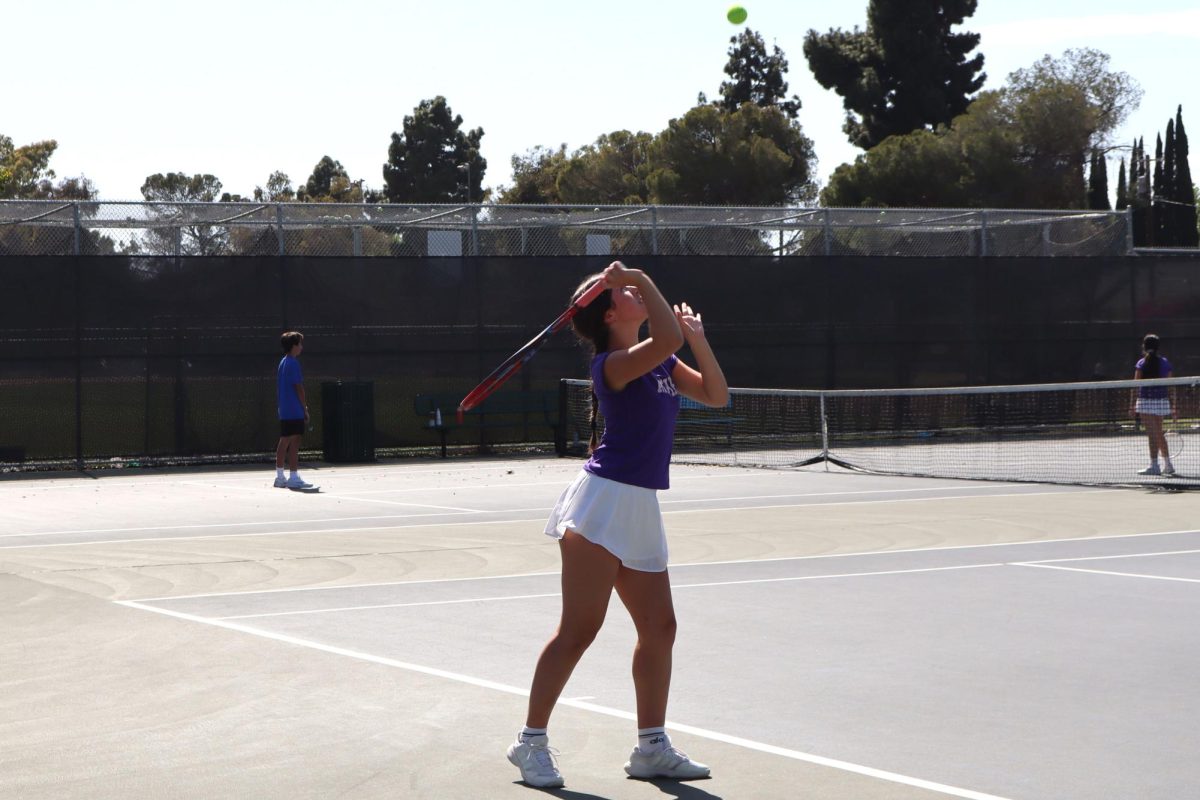

Out of the 30 million children and teens participating in organized sports, more than 3.5 million experience an injury that leads to an inability to participate in a given sport.
At the end of January, Jackie Mayne (’28) tore her ACL and partially tore both her meniscuses — a cartilage pad in the knee — during a soccer game and went through surgery Feb. 13. Mayne had been playing soccer consistently since she was 5 years old, but hasn’t played since her injury. She has been playing for Archer’s soccer teams since ninth grade and won the Most Valuable Player award for soccer at the annual Archer Athletics Awards Night this year.
The Oracle sat down with Mayne to discuss her recovery process and experience.
How did you adjust to not being able to participate in the sport you have been playing for 11 years?
Jackie Mayne [JM]: My friends were very helpful. It was a really difficult adjustment just because it was such a big part of my life but I think it helped that it’s kind of a gradual thing … as it’s happening, it feels so intense but … I think focusing on new parts of my life that I hadn’t previously had time for, that was a big one, and just figuring out how to cope with it. Also, just spending time on new things to be interested in and passionate about.
What was the most challenging part of the healing process?
[JM]: It was between getting injured and getting surgery, just because I didn’t feel that hurt … and it was just hard to wrap my head around how drastic it is as an athlete to tear your ACL, because it’s like I’m being told now that it’s a 10-month recovery from surgery and it just feels so difficult to wrap your head around and it felt very rapid. Everything was fine, and then it felt so destabilized. I tore my ACL, but I felt very little pain through it all; that was never the hardest part of the recovery process or anything. I’d say it was just understanding what it meant for me was just a really tough pill to swallow.
Do you have any advice for students who may experience something similar to your experience?
[JM]: I’d say that I know it’s very hard to look on the bright side of it and look for the opportunities that come with it but there truly are opportunities, and while this isn’t what you ever want for yourself, it’s where you’re at, and you need to know that you will get back to wherever you were and there are new opportunities being opened up to you even if it doesn’t feel obvious at all. Also, to rely on the people around you to help because that’s truly all they want to do.
If there is one, can you think of a larger takeaway from your experience with your injury?
[JM]: Truly, there is more to life than just your sport, and I think learning that is a very good thing to know. Obviously, it becomes such a big part of someone’s identity, but there is always more than sports, and sports is not going to be a constant. It’s never guaranteed as a constant, which is, again, a tough pill to swallow but … understanding that is really important. And also, a takeaway is that if you’re dedicated, it will come back. If you work at it, it’ll work out for you, even if it feels like a really roundabout journey of getting to where you want to be, and it seems very out of the way, but it’s so you can still get right back to where you were, no matter what.