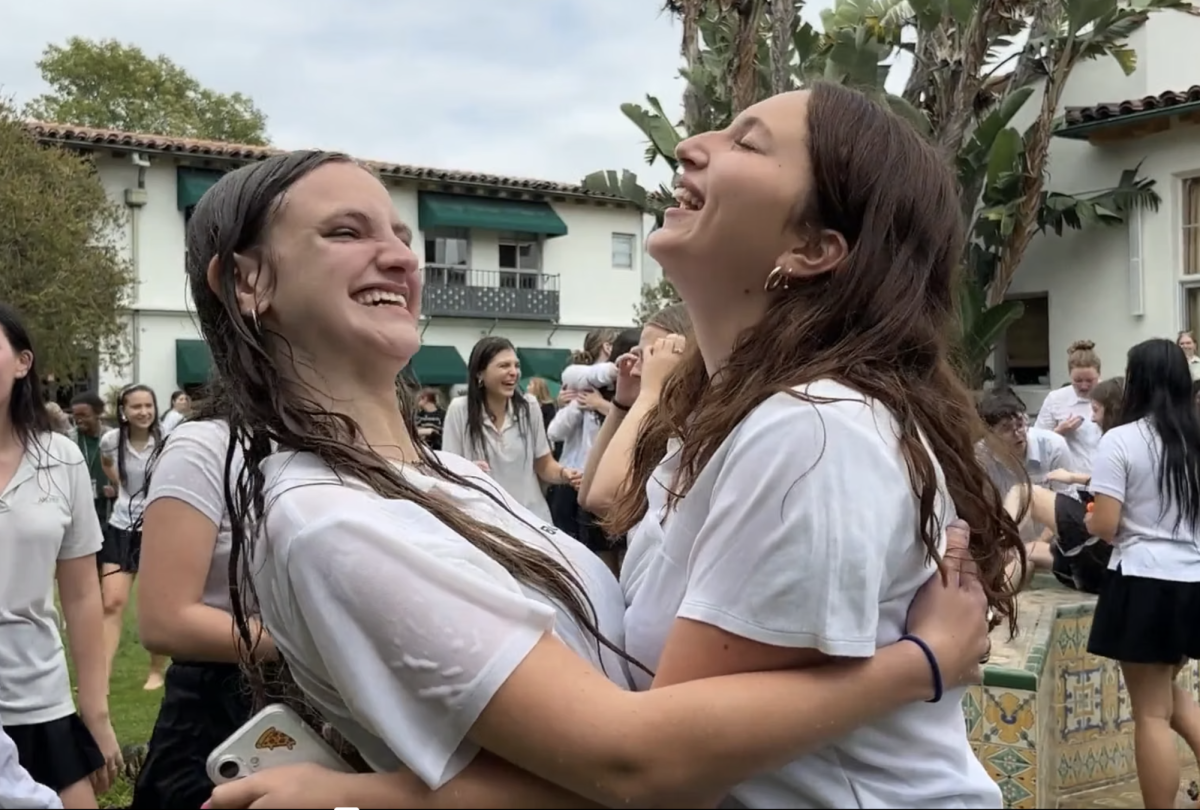

Sixth grade students traded their desks for the great outdoors Thursday, Sept. 11, for an overnight camping trip at Point Mugu, Malibu. The sixth grade year had not had an overnight camping trip since 2019, but with eighth grade Arrow Week two years away for the current sixth graders, the deans thought it would be good for them to practice stepping outside of their comfort zones.
Students participated in activities such as hiking, setting up tents and learning about local wildlife. The trip was designed to encourage teamwork and introduce sixth graders to the basics of outdoor education, while learning how to minimize their impact on wildlife.
The teacher chaperones encouraged students to step outside of their everyday routine through group activities. Sixth grade English teacher Lauren Sekula said gamifying activities promoted bonding between students.
“They did some team-building games. We didn’t do all of the ones we used to do that I really enjoyed, but you could see that they were having fun,” Sekula said. “We did letters to our future selves, they built team banners and these really fun handshakes, where if you found something in common, you had to add to your handshake. We were able to have a lot of fun getting to know each other.”
Paulina Torres (‘32) said that throughout the overnight trip, she formed connections with classmates she hadn’t yet had the opportunity to get to know.
“It was really fun to bond with my classmates I hadn’t yet bonded with — it was definitely a bit out of our comfort zone,” Torres said. “There were definitely some growing pains, but I feel like it all worked out great.”
Another way the students connected, Sekula said, was by discussing the wildlife and how to keep themselves and the animals safe.
“There were coyotes this time around. You were required to go with at least two other people to any place, especially at night,” Sekula said. “I think that really helps those kids that are not yet making connections, or feel like they can’t, to take care of each other more and to reach out and ask for help in maybe a way they would not have done so before.”
Torres said teachers and instructors encouraged students to follow Leave No Trace principles, such as picking up their trash and being mindful of the wildlife in the area. Leave No Trace is a reminder of the responsibility humans have when visiting nature spaces with wildlife.
“They provided us with food and kept saying, ‘Please pick up your trash,’ which I get — it is something you hear a lot,” Torres said. “But it’s more important there because there’s more wildlife around to take care of.”
Sekula said the presence of wildlife, including coyotes, added an extra layer of awareness for students during their time outdoors. Day and night, they needed to be aware of what they left behind and their impact on the environment. Elise Lombard (’32) said she learned the importance of Leave No Trace and how to apply it to her everyday life.
“I mean, let’s say you’re opening something and a really small piece of plastic falls down, and you’re just, ‘It’s fine, I’m not going to bother to pick it up and throw it away,’” Lombard said. “But I think now I’ve gotten way better at that because I stop and think that [it] actually does really affect the environment.”