Watermelon in winter? Pumpkins in summer? Seasonal foods, menus and limited edition items are common at many restaurants. Seasonal promotions may seem like a unique marketing technique or a way to draw in more customers, but consuming seasonal produce is actually a way to help protect the environment and live more sustainably.
According to The European Food Information Council, seasonal produce is the idea that all fruits and vegetables have certain environmental conditions they thrive best in. However, it can be difficult to grow food in certain locations because of factors such as the climate or space. The food grows during its ideal growing season and then is either shipped to other locations or sold locally.
Depending on the produce’s use, it is either sold locally or shipped somewhere else to be sold. When the food is shipped away to be sold elsewhere, it is an unsustainable practice because lots of resources and pollutants are emitted during the shipping process, such as planes, trucks and sometimes boats. By shopping locally and making an effort to buy produce in season, consumers combat these unsustainable practices since they don’t rely on lengthy transportation.
The EUFIC explains that the meaning of the word “seasonal” can change depending on how it is used. Some people believe the word seasonal has a similar meaning to locally grown produce, while others believe it involves learning about the natural seasons produce is grown in and the food’s origins.
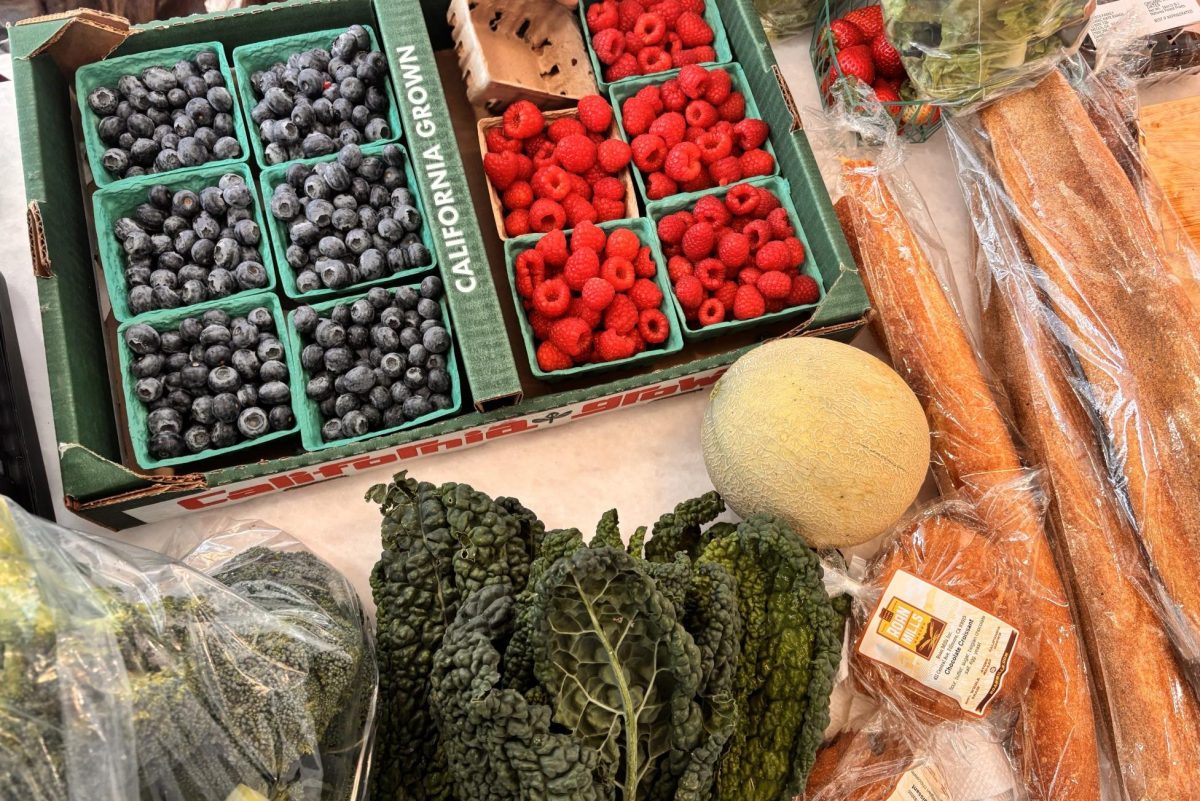
Seasonal produce can fall into two different categories. The first is global seasonality, which means food is grown where it is in season but not necessarily consumed near it’s origin. For example, strawberries grown during their ideal growing season in Mexico are then shipped to the United States to be sold where they aren’t in season. The other category is local seasonality. This means food is grown during its natural growing season and consumed locally in that same area. An example is apples that are grown during their peak growing season in California and then harvested and sold at local farmers markets.
According to EUFIC, the most sustainable produce with the lowest greenhouse gas emissions is grown outdoors during its natural growing season and consumed in the same country or region. This option is sustainable because when crops are grown outdoors during their ideal environmental conditions, there isn’t the use of additional energy for refrigeration, storage, artificial heating or lighting and transportation. Instead of produce that is grown in less ideal conditions and needs artificial temperature and light added and is then shipped or stored elsewhere.
Additionally, food grown in season and sold locally tastes the best. Produce grown far from where it will be sold undergoes long transportation times, resulting in fruits and vegetables that aren’t as fresh and may not taste as good as the ones grown locally.
If this column has gotten any message across, I hope it is that foods grown sustainably and with the most environmentally friendly methods lead to the most positive impact on our planet. While it may feel daunting and even impossible to buy all foods locally and in season, making small changes to one’s daily life, and simply learning more about this topic has positive effects on our planet. Going to the farmers market over the weekend is a great way to start learning about sustainable agriculture and locally grown produce. Supporting local farmers by buying their produce or by learning about their farms helps make an impact within our community.
The gorgeous weather in California makes for an ideal growing season for different crops nearly all year round. Listed in a helpful graphic from California Grown are different fruits and vegetables that grow the best in each season in California. Next time you are at the supermarket, farmers market or a restaurant or cafe with seasonal menu items, keep in mind the positive impact these foods have on our planet.