As we head further into the new year, the word on the street among teens my age is self-improvement. And I am not talking about emotional self-improvement, where we strive to stay more positive, or academic self-improvement, where we work to focus on getting all of our assignments in by the deadline. I am talking about physical self-improvement strategies. Eating healthfully, staying active and finally getting that six-pack are just some of the many goals I’ve heard. The issue is that these teens are so focused on achieving these one-size-fits-all goals for exercise and calorie intake that they are forgetting their own age.
I first became aware of this problem when I found my younger sister in her room following a tutorial on how to get abs in 15 days. She is 13 years old. After finding her doing this impossible task, I started to notice a difference in the way she talked about herself. She became self-deprecating and kept asking me if I could see her abs coming in. It became less of a self-improvement plan and more of an obsession to look a certain way as fast as possible.
The question is: why? While there are probably many reasons teens are working to change their health habits this year, there are a couple that stick out to me.
The first reason — as often as it may be blamed — is social media. More specifically, full-grown adult influencers who are promoting somewhat performative healthy habits on social media platforms. I have followed a few of these types of influencers in my time and have often fallen into the trap of admiring their lifestyles. However, according to The Georgetown Global Health Institute, even if some influencers are experts on the topic of healthy habits, they lack knowledge of the specific health challenges, environments and, most importantly, age ranges of their audiences.
Another age-related risk of social media is the algorithm. If you think your feed is random, think again. The algorithm on social media makes it so that your likes and follows shape your feed. In other words, if you were to like a video of a healthy breakfast, the app would begin to feed you very similar videos. The algorithm trap forces adolescents to adopt unnatural healthy habits one after another, until they begin to feel like they are falling short by not engaging in these activities.
The second reason teens are drawn to physical self-improvement this year is peer pressure. Even in the midst of high school, when everyone is at their busiest, it always seems like the person next to you is doing more. Sometimes, this indirect peer pressure can be suffocating. According to Vitality Medical and Wellness Consultation, “The people around us impact whether we adhere to healthy habits or veer off track. Sometimes, this is overt; other times, it is more subtle, where you feel pressure to behave as everyone else.”
This year, I’ve found myself trying to keep up not only with my schoolwork but also with my peers’ healthy lifestyles. It can become too difficult to juggle when I am getting home at night with only enough time to do my schoolwork and go to bed. The truth is, what should motivate you is yourself, not comparison with others.
From a medical standpoint, another concern is overexercising, which can lead to injury, especially when the teen’s body is still in the process of growing. Overexercising at a young age subjects you to inconsistent sleep, muscle stiffness and sometimes anxiety. It can also lead to overuse injuries, including tendinitis, shin splints, Sever’s disease and stress fractures.
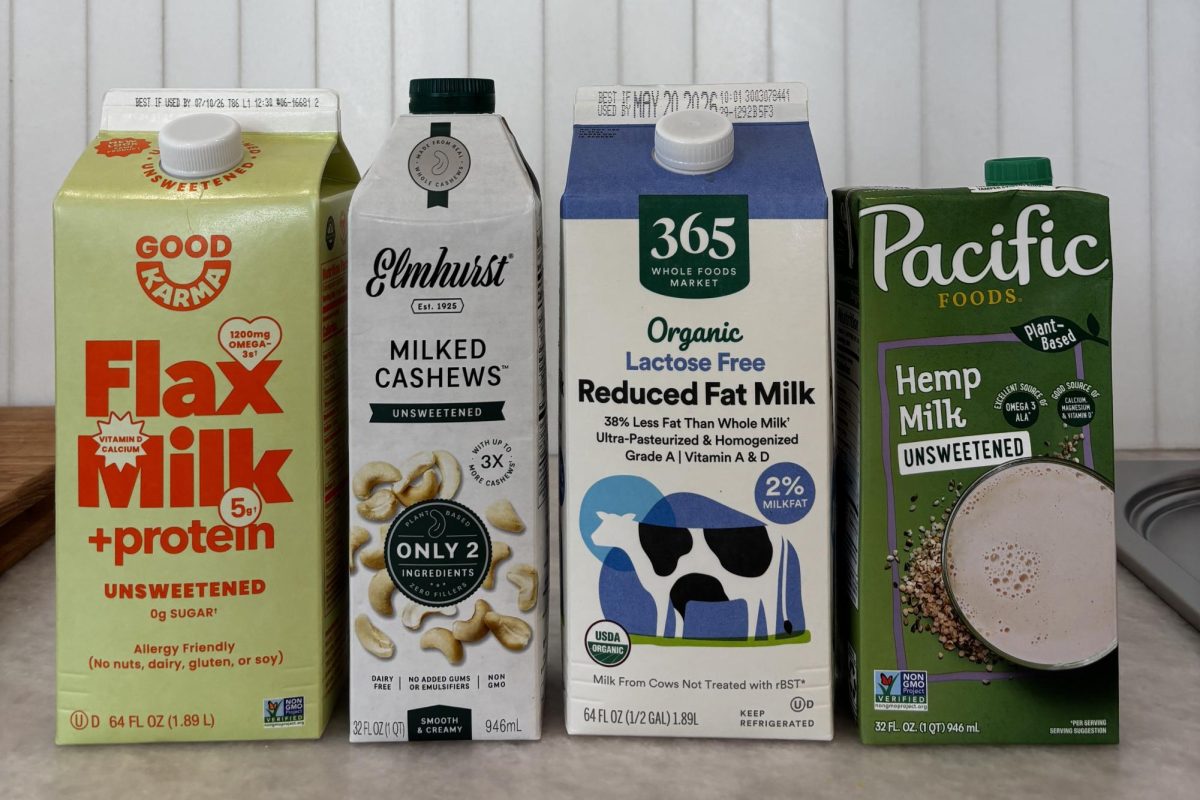
While many influencers promote healthy eating, these balanced diets and calorie cuts impact teenagers differently than adults. According to Henry Ford Health, teens have higher metabolic needs while growing, including increased calorie and vitamin intake. It is important to be aware that not every influencer’s diet aligns with the specific nutritional requirements of adolescents.
Even with all of these concerns about obsessive physical self-improvement, I am not trying to convince anyone that working toward a health goal as a teen is detrimental. A clear line can be drawn between healthy goals and unachievable perfection. For all of those teens striving to be more active or eat more whole foods, I applaud you. Just be aware of the times when trends, outside opinions or the number on a scale become more important than treating your body well. Remember: keeping your body healthy in a way that fits you must be the top priority.