

Why are these 3 sports so unknown if they are in the Olympics?

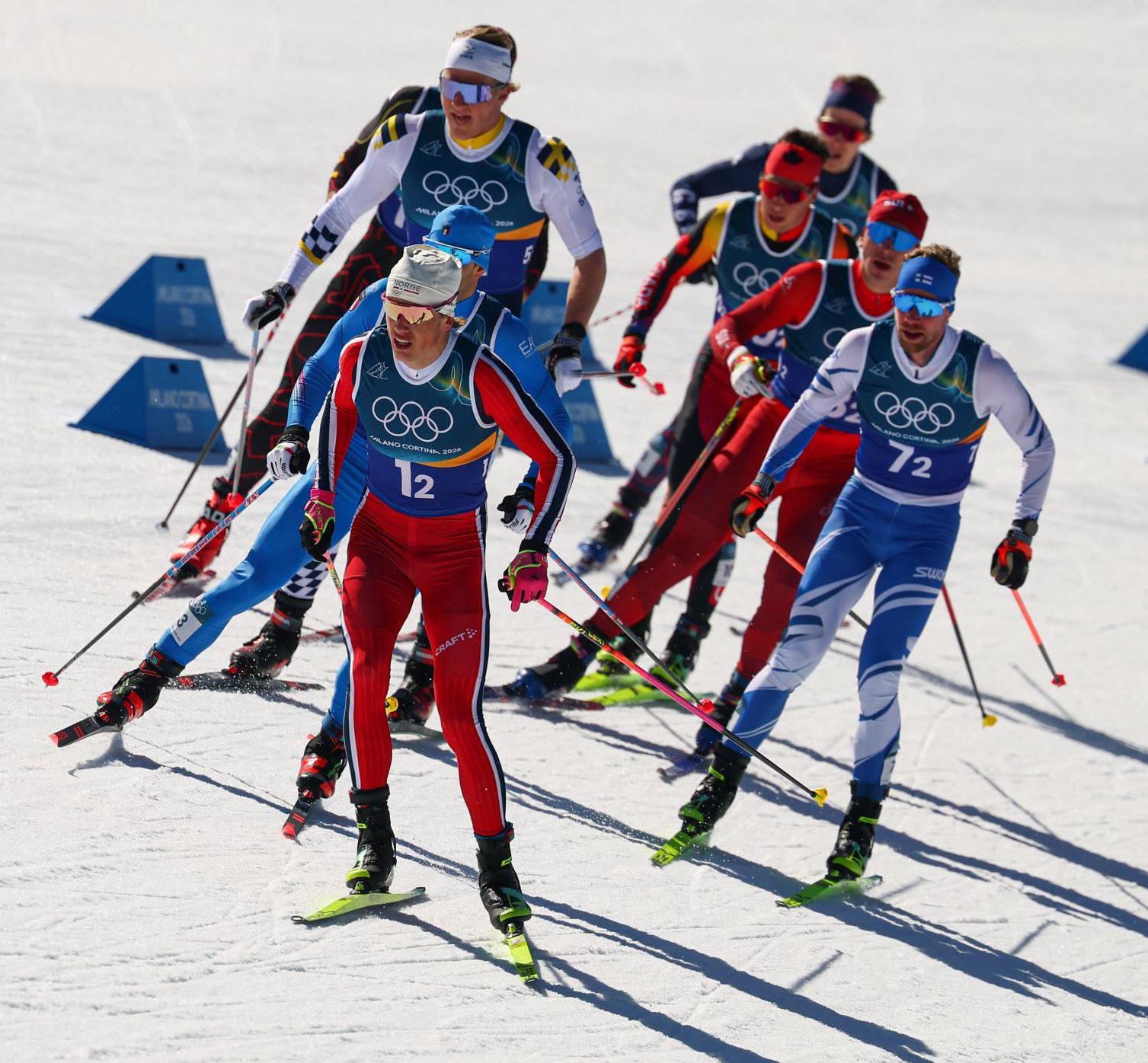
Ski mountaineering, or as some refer to it, ‘Skimo,” is a sport where athletes race over high-alpine terrain. This was a new sport added to this year’s Milano Winter Olympics.
Many countries participate in ski mountaineering, and the main rivals this year were France, Italy, Spain and Switzerland. Athletes have to train 16-24 hours weekly to be able to endure both individual and sprint races. These races range from three minutes to over two hours.
According to an article about the challenges of ski mountaineering, there are many factors that make ski mountaineering uniquely difficult compared to other sports. For example, the potential risk for severe injuries and avalanches.
Athletes have to sprint to the top of a hill, take off their snowboard and then run up a pair of stairs. When they get to the top, athletes proceed to put their snowboards back on and slide down a curve. The snowboards are lightweight compared to regular snowboards.
This year, Oriol Cardona Coll, Marianne Fatton and Emily Harrop and Thibault Anselment won gold medals.

Dual Moguls is a sport where an athlete competes against another athlete on a bumpy terrain that consists of two jumps and one aerial trick. The difference between courses for single moguls and double moguls is that for singles, athletes get to choose which lane suits their strengths best. For doubles, the courses are split between a red line and a blue line.
Judges determine points based on athletes’ turns, air jumps and speed. The points are deducted when a skier’s form is not correct, whether it is lack of control or errors in the air. Dual Moguls was added to the Winter Olympics this year.
What is unique about this sport is that the two skiers execute their jumps and moves at the same time.
Canadian Mikaël Kingsbury won the gold medal in dual moguls this year. However, the United States currently holds the most Olympic medals in the women’s dual moguls as of 2026. Dani Lenoir, a Fitness and Wellness Department chair, described her feelings towards the sense of community through sports.
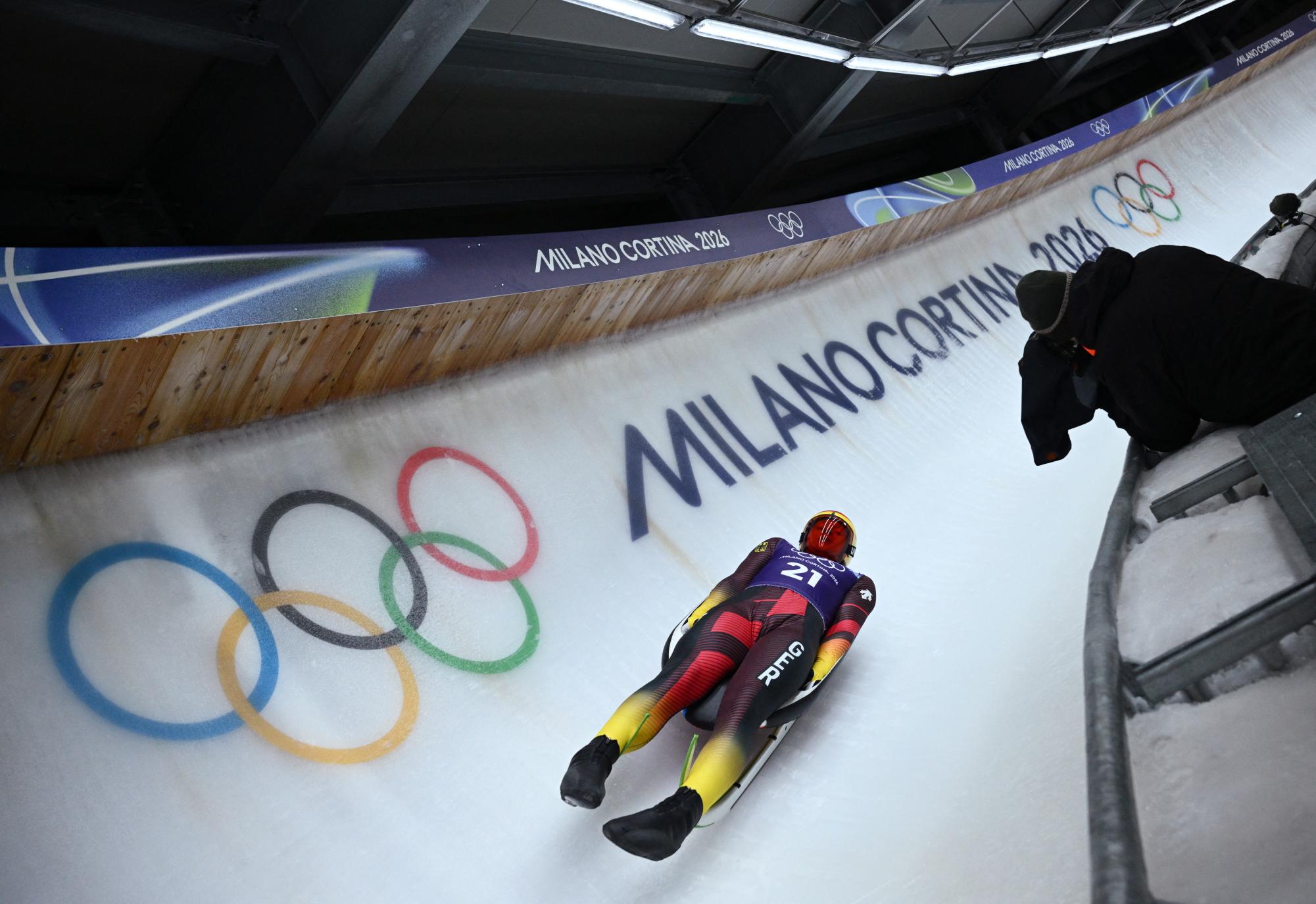
Luge has been around for 140 years. Created in the mid to late 19th century in Switzerland, in 1883, the first international Luge race was held by hotel owners in Davos, Switzerland. However, Luge made its official debut in the 1964 Olympic Games in Innsbruck, Austria. Luge is very dangerous; athletes have to be on a sled at high velocities, with the possibility of crashing and getting a concussion.
Nodar Kumaritashvili died playing Luge during a practice run in the Winter Olympics in 2010. He lost velocity of his sled and crashed into an unpadded steel support pole. This tragedy caused the Olympics to improve the track design. Now, there is more padding on the steel columns, and they adjusted the curves to make the track safer.
In the 2026 Milano Olympics, Max Langenhan from Germany broke track records multiple times and won gold. This ultimately led Germany to win gold overall. Maya Cerbo (’28) said she tuned into Luge this time around during the Olympics.