
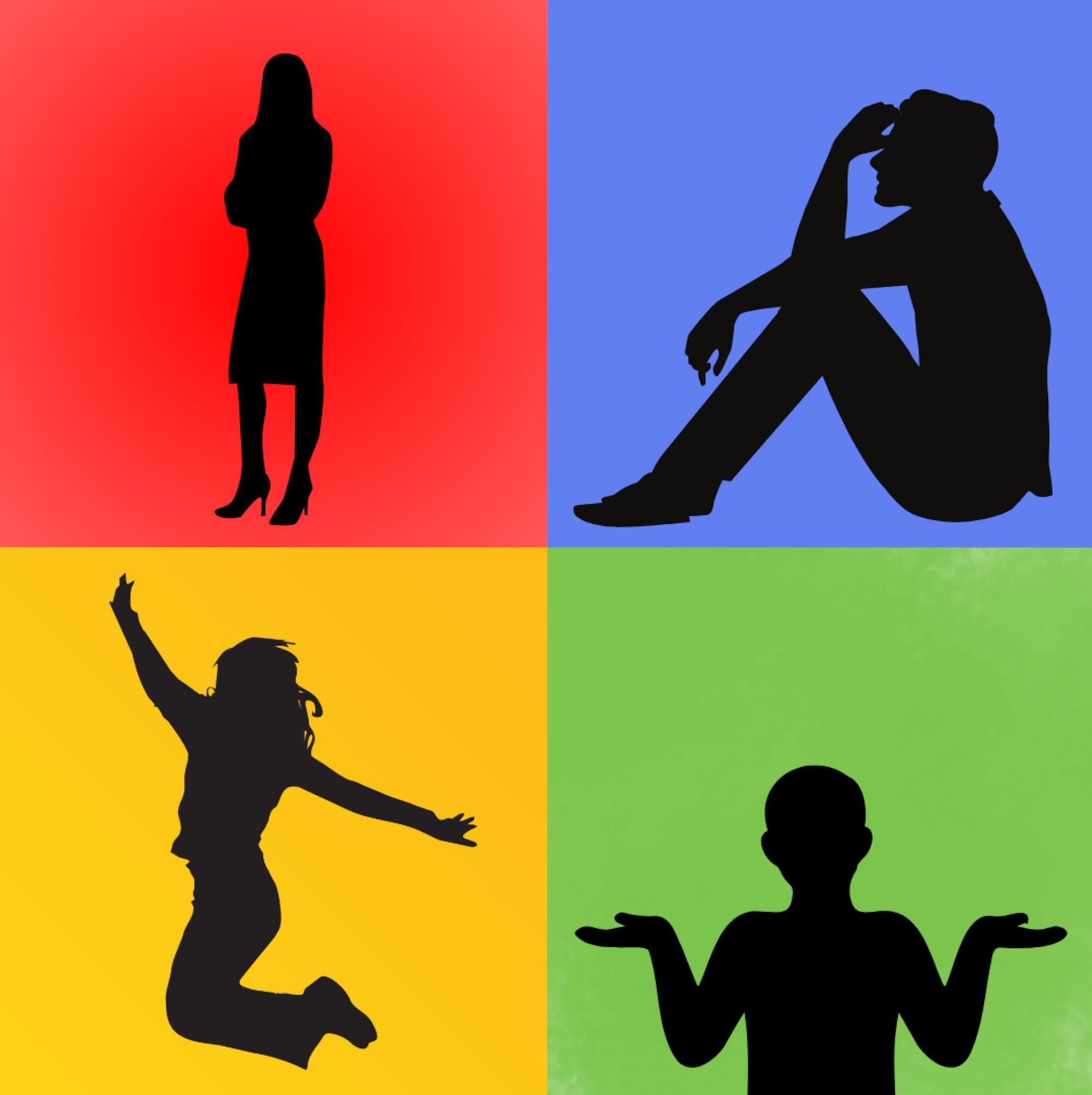
The downward tilt of the eyebrows, the firm set of the mouth, the rapid exhale of breath and crossed arms are all indicators of anger. Through body language, this emotion can be recognized intuitively.
Body language is defined by Psychology Today as the nonverbal, unconscious and conscious way our body expresses our emotions. People can convey how they feel through hand gestures, facial expressions and stance, among other signifiers. The brain registers others’ cues almost immediately and comes to conclusions about how that person is feeling.
Body language is used in job interviews, negotiations, public speaking, leadership roles and navigating daily social interactions. The Federal Bureau of Investigation uses body language specialists and lie detectors to help interview suspects. On a day-to-day basis, learning to understand others’ body language can improve connections between people, strengthen perceptiveness and social awareness, and enhance how people present themselves.
Behavior analyst Traci Brown is a body language expert, keynote speaker and best-selling author with experience “reading other people.” She started as a professional cyclist and learned to understand other competitors’ cues. She now educates others on body language and works to detect deception and fraud in different cases for lawyers and businesses.

Brown said the key to picking up on body language is noticing others’ individual patterns. She said noticing when someone’s body language strays from their normal pattern indicates they are lying. In any human, she said, many emotions are expressed very quickly and noticing that is difficult.
“What I do is I look for, ‘Okay, how do people normally behave? And then how are they behaving now?’ What’s the difference when the conversations get more important?” Brown said. “When the questions get more important, what really happens? How does it all go down? And where are they stressed? Where are they showing signs of deception? I have to go through all of that.”
Brown said developing these skills takes practice and training. Some common patterns in Brown’s line of work, she said, are stress cues and nervous tics.
“Repeated small movements, those are called adapters. If someone’s playing with the end of their hair or tapping their foot or rubbing their knee, something like that. That says stress, okay?” Brown said. “But what I’m looking for is: Are they generally animated or are they more still? I look at their eye blink rate a lot.”
Body language cues appear throughout the body. Eye contact and pupil dilation can reflect emotion, as adrenaline from stress or excitement causes pupils to expand. Small mouth movements also signal someone’s mood — pursed lips may show disapproval, while lip biting suggests stress or flirtation. Posture offers further clues: An open stance conveys confidence, while hunched shoulders or crossed arms can signal insecurity.
In the audio below, Brown goes more into depth about body language.
Sophomore Phoebe Miro said she believes it is important for students to learn and pick up on body language. The National Library of Medicine found that students who notice body language have higher emotional intelligence and empathy towards peers both inside and outside of the classroom. Body language can help calm an anxious friend and demonstrate openness and care more than words can. If someone is enthusiastic, they might use their hands while speaking, which Miro said helps students get their point across and express their ideas. Similarly, body language is shown to translate into a person’s sense of confidence and core capabilities like public speaking and social skills.
Miro said she notices that body language is significant in different aspects of school and can indicate if someone is more open and talkative or shy and closed off. In different settings, body language can change.
“In the classroom, it’s a little bit more reserved, but it really depends, for me, which class I like. Maybe I’m more enthusiastic, and I like using my hands a lot more to talk. Like in English, people tend to use their hands. When you’re in a Harkness, you tend to accentuate things because you want your point to get across,” Miro said. “I use my hands so much to talk. Eye contact is really key to telling someone that you’re listening to them.”
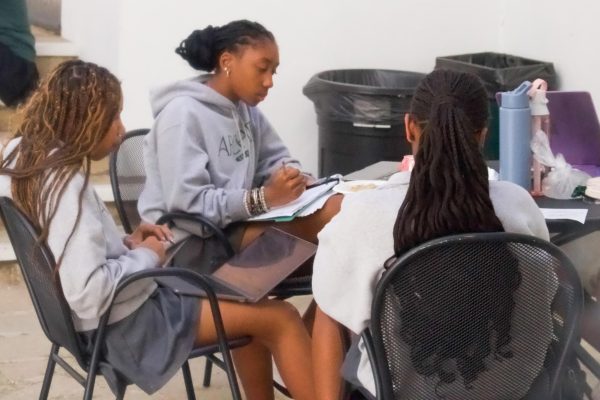
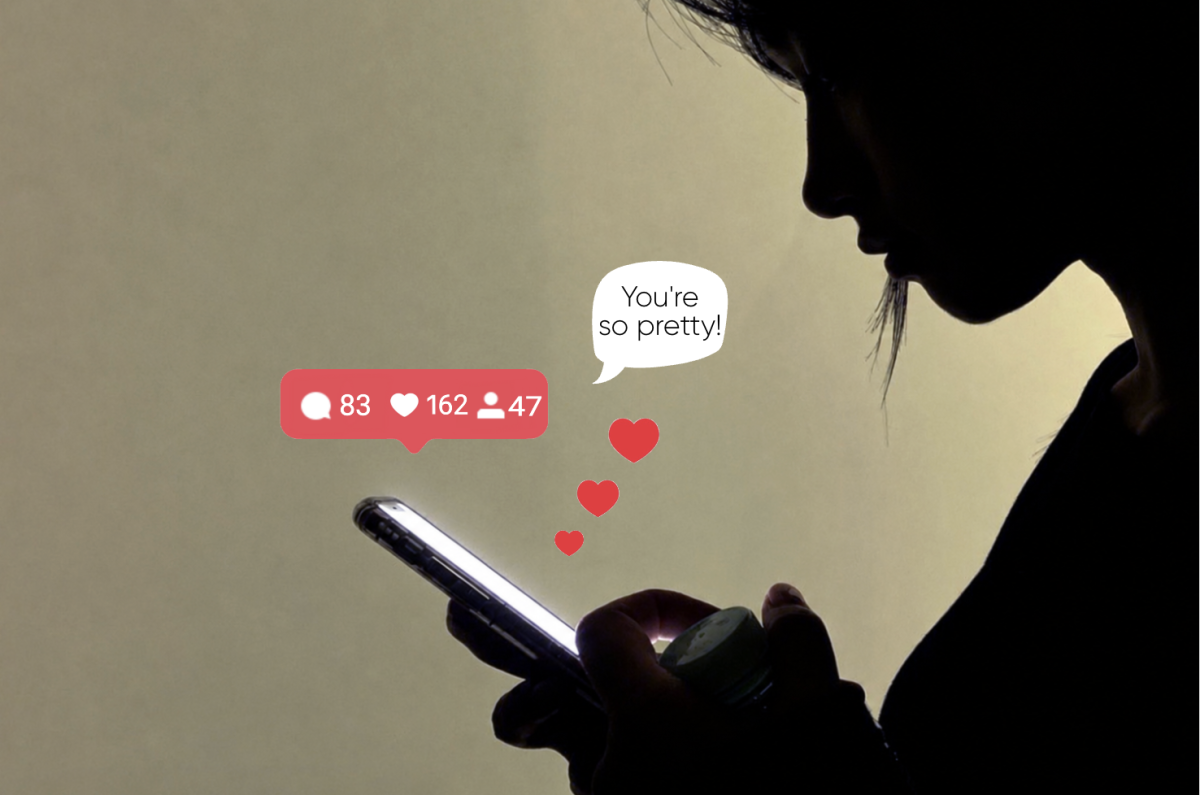
In an increasingly digitalized world, kids’ prolonged screen usage can be harmful and lead to delays in social interaction and visual processing skills. Most teenagers use screens, like Miro, but she said she prefers in-person interaction to screens.
“There can be so many mixed signals with texting,” Miro said. “The fact that you’re able to see someone face to face and use your body language and talk to them so you know exactly what they’re saying, so it’s not unclear. On text, they’re kind of just talking to a screen. But, now, you’re actually seeing someone face to face and you’re able to get your point across.”
In day-to-day interactions, humans’ innate understanding of how to smile or frown is commonly expressed. Therapist Danielle Horwich believes that reading body language is a natural ability, but that understanding it is developed over time.
“When people are feeling an emotion, they often carry that emotion in their body unconsciously. There’s a lot of talk with nurture versus nature, and some things are just genetic, and some people are really good at reading it,” Horwich said. “I think some things are learned from other people, and I think that you can also be taught, even if you’re not somebody who might be good at recognizing it, you can at least learn a basic understanding of body language.”
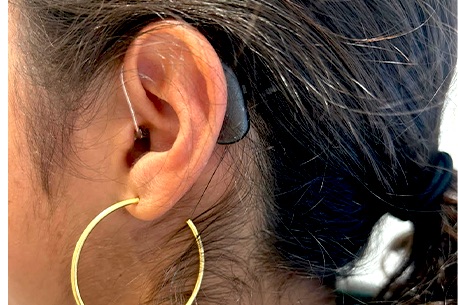
Reading body language does not always come naturally for everyone though, and sometimes it is interpreted in different ways. For example, people with ADHD may bounce their legs, avoid eye contact more often, use more facial expressions or fidget with their hands. Furthermore, autistic children may have difficulty understanding expressive body language and contextualizing social cues. Learning specialist Stephanie Wald witnesses these nuances and observes how body language is used in day-to-day interactions.
“I think that students who are neurodivergent, or who might have a learning disability, they may do two things. They may not know that their body language is appearing negative or positive, and they also may not be able to read other people’s body language,” Wald said. “Or the vice versa, they may read too much. They may think something before it’s actually happening, they might think that somebody is saying something that they’re not with their body language.”
Psychic Maya Britan, creator of I Am One Tarot reading service, believes digesting and picking up people’s cues comes with experience. She has been a psychic for 35 years and said it takes many years to master the art of understanding others. She believes that connecting with someone else comes down to each person emotionally understanding the other and noticing the patterns that arise.
“When you read someone, you see something, and you tend to understand it the way you would understand it,” Britan said. “But you have to consider that the person in front of you is not you — they are different from you. So the psychic or the empath — the intuitive person — we have the ability to walk in your shoes for a little while. So I can feel what you feel, and I see life the way you see life.”
Whether body language is being used at work, to understand others, or as a communication tool, it is a fundamental skill to understand and utilize, according to Psychology Today.
“I think the way that you hold your body is a really important way you express yourself,” Horwich said. “Our bodies are what house our minds and our souls and our spirits. I just think they’re such an important part of us. They are us.”
There was an error loading the selected infographic





Hollyn Alpert • May 13, 2026 at 6:59 am
Great article, Isa!! I learned so much from this article. Congrats!! 🙂
Isabel Kromwyk • May 13, 2026 at 11:31 am
Thank you so much!