

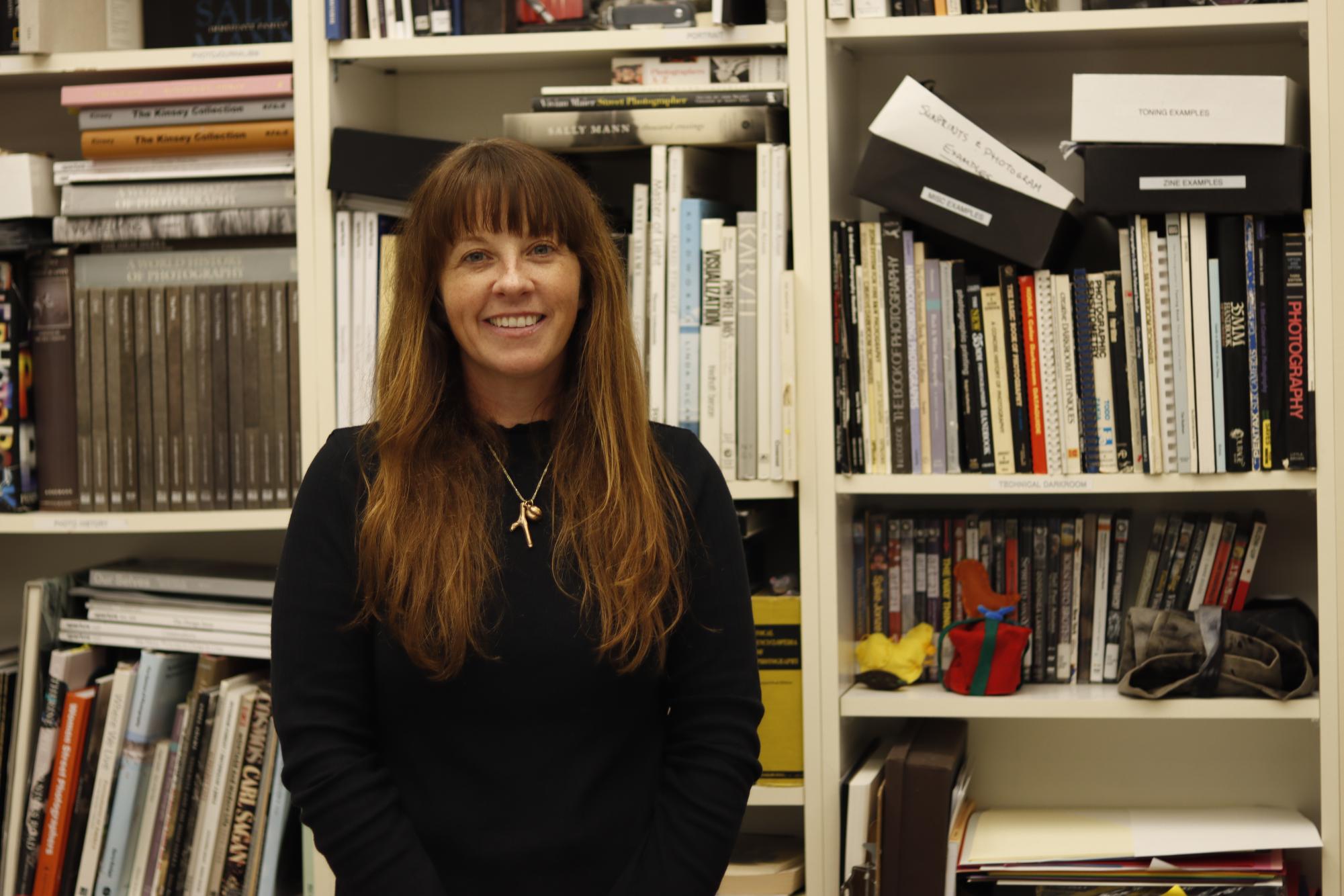
Click! The camera shutter opens and closes in an instant, and the screen displays the photograph taken only a second before. The operator of this camera is visual arts teacher Marya Alford.
Before joining the Archer arts Department in 2015, Alford taught part-time for 10 years at Open Magnet Charter School and Chaffey, Saddleback and East LA colleges. At Archer, she collaborates with the Eastern Star Gallery and Studio Art crew while producing lessons for her own classes. Alford said she also immerses herself in the arts outside of Archer by visiting art exhibitions and museums and working in her personal studio.
Alford began photography in high school when her mom gifted Alford her old 35mm Cannon AE-1 camera. However, she did not take a photography course until later, in college. She originally sought to go into toy design and attended Otis College with a toy design major. Otis had an internship program with Mattel, which she considered to be a possible next step, but while touring the building, she could not see herself pursuing this path.
“It felt very corporate,” Alford said. “So do I want to stay with this, or do I want to switch? And that’s when I made the switch.”
In her second year at Otis, Alford changed her major to sculpture, due to its similarity to toy design. However, after enjoying a photo class she had taken that term, she swapped majors a final time to photography, where she would eventually earn her BFA.
“An arts field that has science connections was intriguing to me and empowering to me,” Alford said. “So I just wanted to explore it more. ”
Alford never knew she wanted to be a teacher, either. She got introduced to it through a scholarship program at USC, where she was a teaching assistant for photographer Sharon Lockhart. Lockhart would often travel for showings, leaving Alford to instruct the class.
“[I’d] never taught before, and she threw me that program, and she threw me into teaching, and I think it was horrible in the moment,” Alford said. “I was just full of anxiety and overstressed by it, but it taught — because I wasn’t really much older than them — me how to get in front of a class and how to lead a class in some ways.”
Alford’s coworkers said they admire her teaching abilities, both with her students and members of the Archer staff. Arts Department Chair Joe Schenck said Alford encourages her pupils to think deeply about the meaning behind the work they produce.
“It’s not just about creating a picture that is cool or visually stimulating that is part of the end result,” Schenck said. “There’s always a deeper meaning behind that. There’s a story being told. There’s a perspective that’s being highlighted.”
Arts teacher Hannah Kremin described how Alford leads with bright energy when working with colleagues.
“Whether it’s her curriculum for her classes, something for the gallery, an idea for an exhibition, for a schoolwide talk, Archer Summer, I think she puts 110% into literally everything, which is something I really admire about her,” Kremin said. “No task is too small for her to give her all. No task is too big.”
Schenck also observed the heartening effects of Alford’s passion on faculty members and students. She frequently provides tips and optimism to assist her peers, Schenck said.
“Ms. Alford has a way of empowering everybody else in the department to succeed in each of our own programs,” Schenck said. “She’s also a great teacher who teaches other teachers.”
-
Memento Mori: Tatli I’Koy, Tatula, Noxvi, Sawi’pwavilya, Toloache, Sacred Datura, Dhatura, Mad Apple, Thorn Apple, Stinkweed, Devil’s Trumpet, Angel’s Trumpet, Jamestown Weed, Jimson Weed, Datura Stramonium” 4 x 5 inches tintype (wet plate collodion on aluminum)
Photo credit: Marya Alford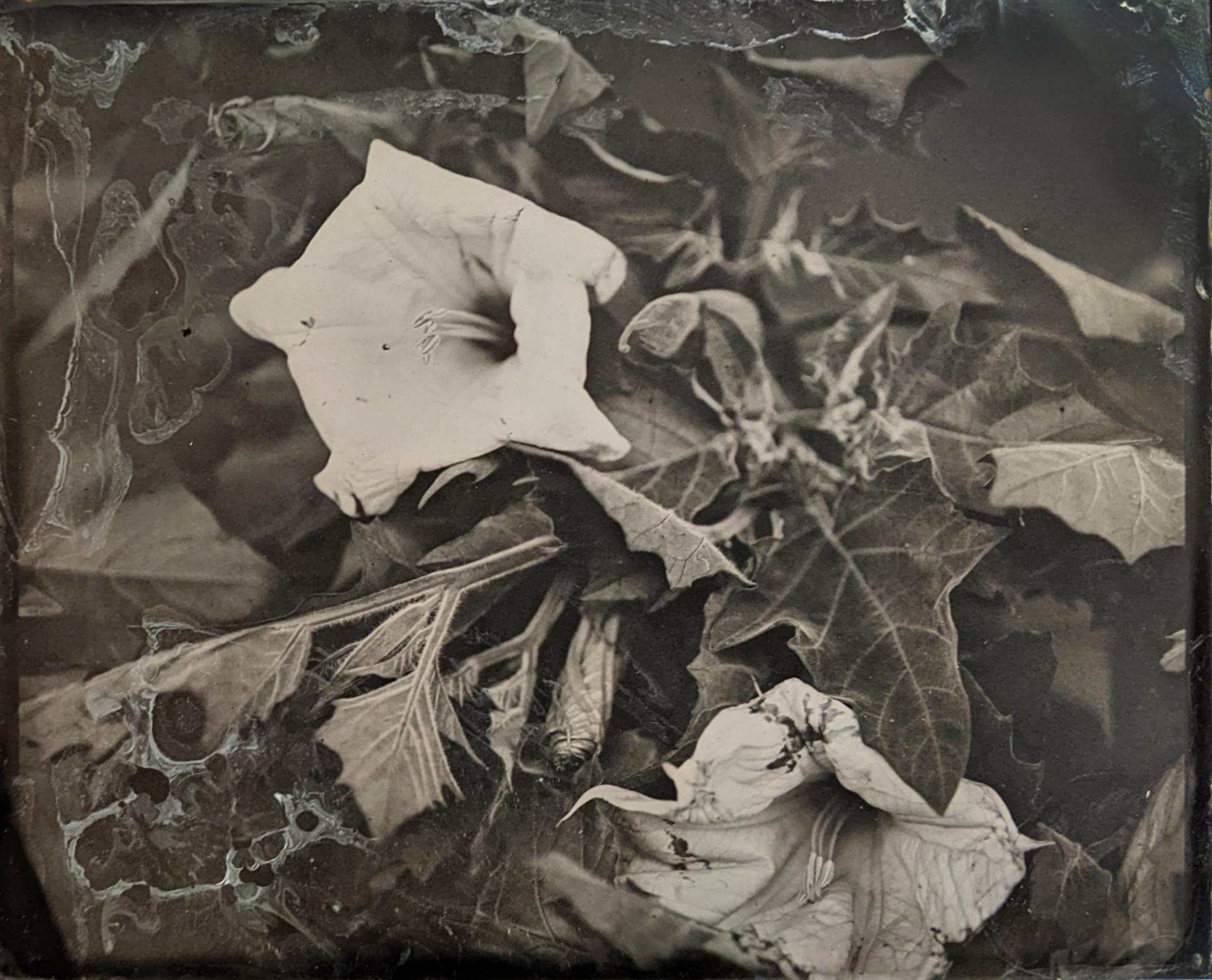
-
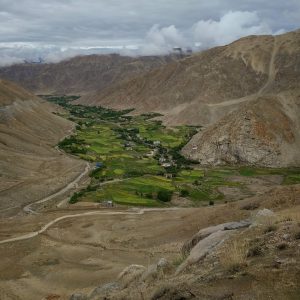
“Phey Village, watering day (From the Seed Keepers series)” 16 x 16 inches 120mm color negative film, scanned and printed to archival matte paper
Photo credit: Marya Alford
-
“On the way to Chang-La Seed Vault, overlooking Leh (From the Seed Keepers series)” 16 x 16 inches 120mm color negative film, scanned and printed to archival matte paper
Photo credit: Marya Alford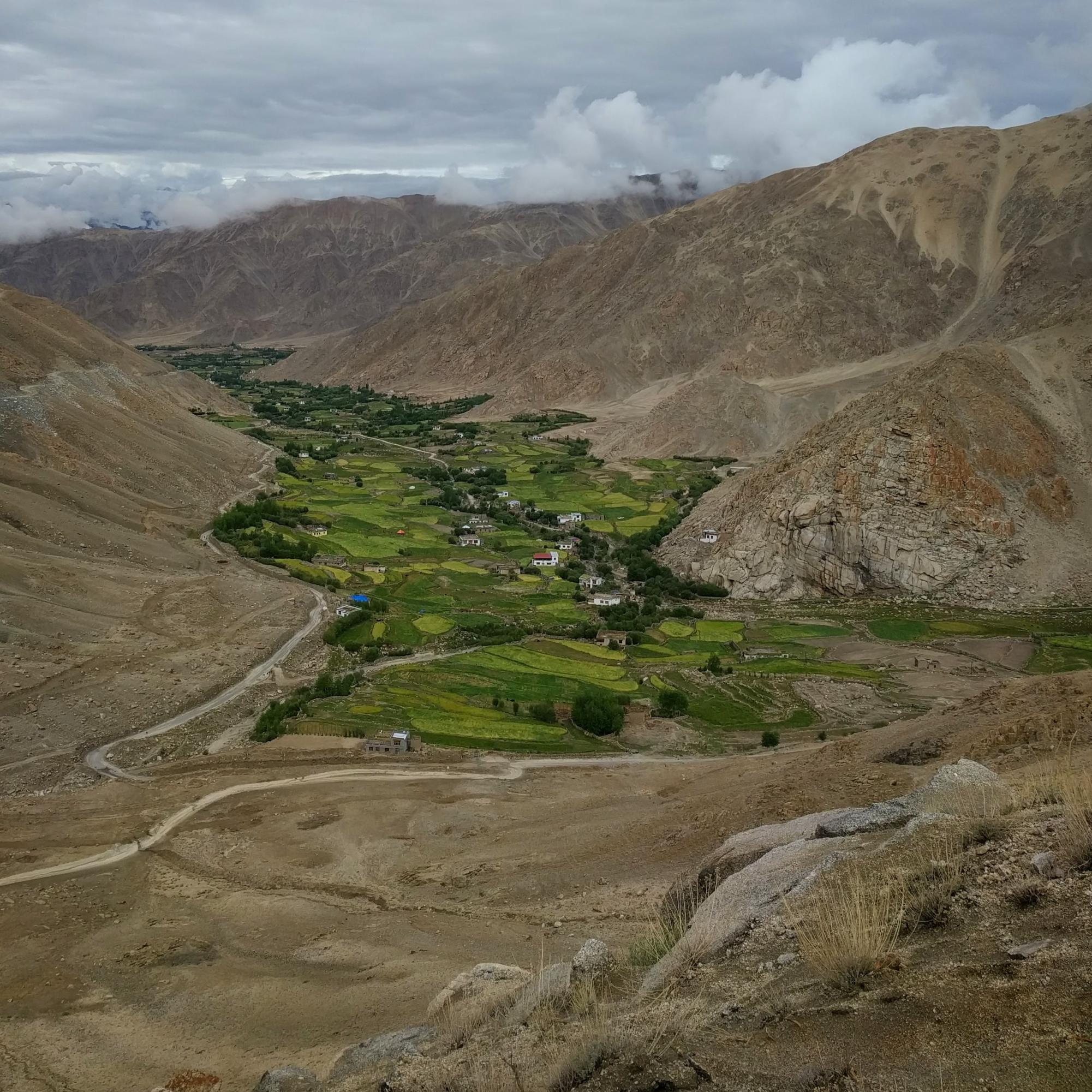
-
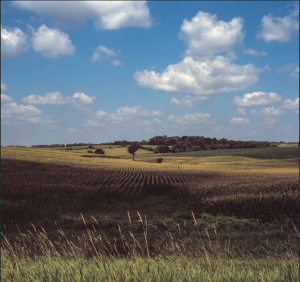
“Decorah, Iowa (From the Seed Keepers series)” 30 x 40 inches 4 x 5 color positive film, scanned and printed to archival matte paper
Photo credit: Marya Alford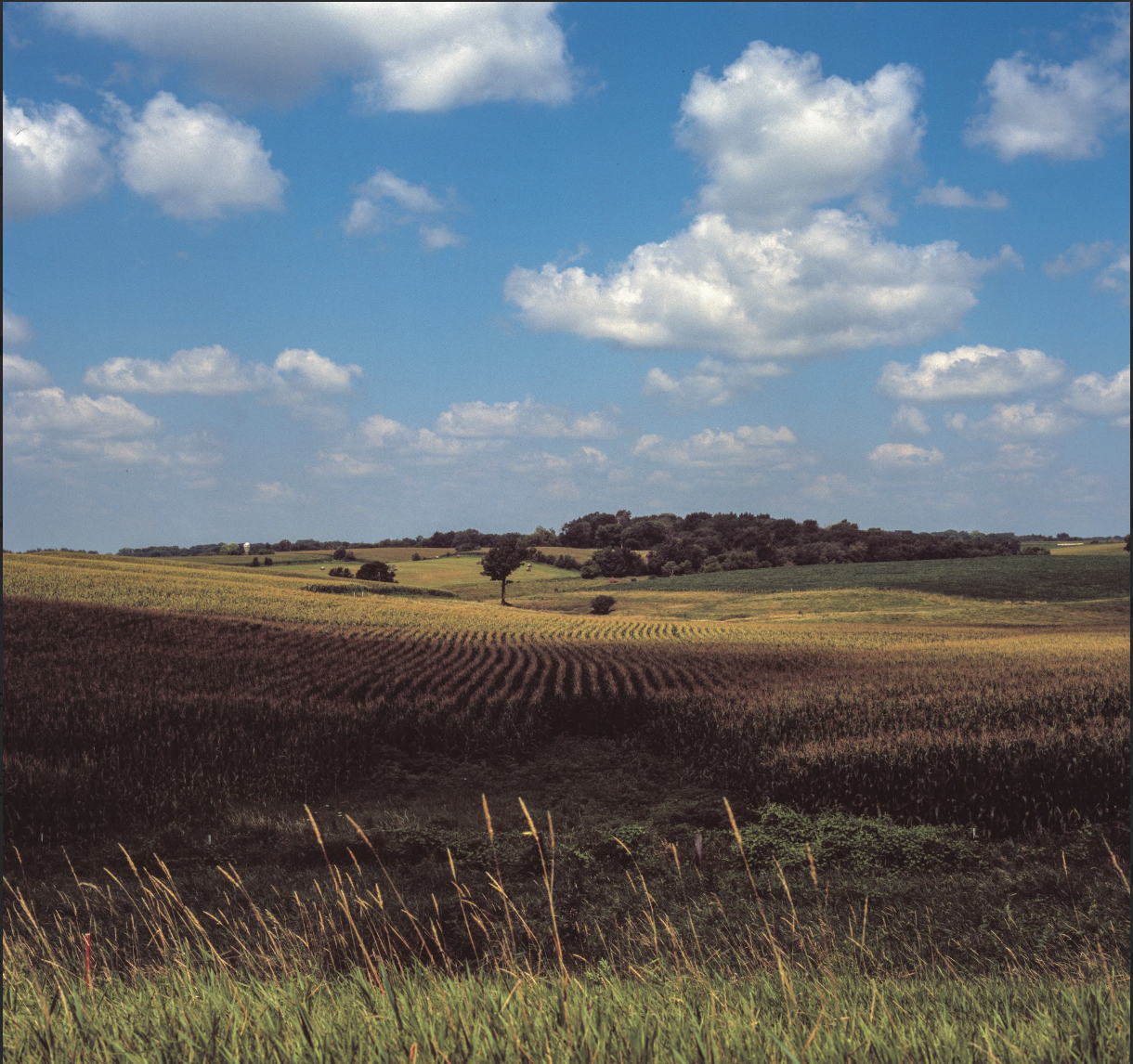
-
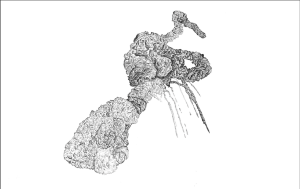
“January 28, 1986, Over the Atlantic Ocean” 50 x 60 inches graphite on paper
Photo credit: Marya Alford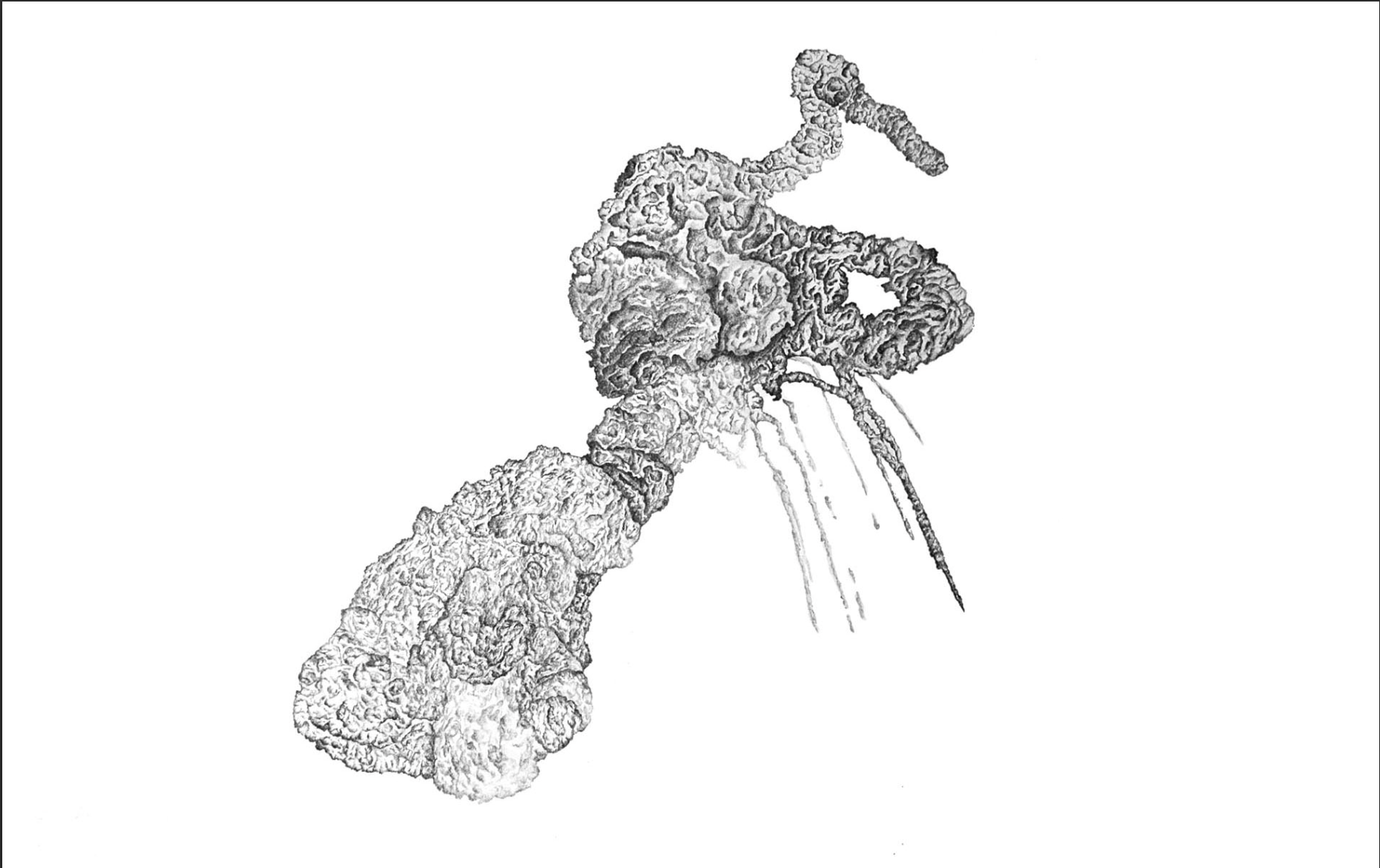
-
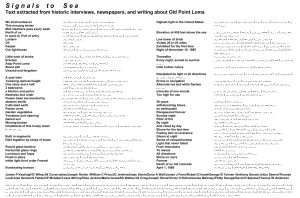
“Signals to Sea” A running poem, written by the artist, containing the excerpts of historic sources from the Old Point Loma Lighthouse (including news articles, lighthouse keeper diary entries, letters, etc), translated to morse code, and messaged out via Naval signal light to the Pacific Ocean. Ongoing performance from sunset to close during “Convergence” show, Cabrillo National Monument.
Photo credit: Marya Alford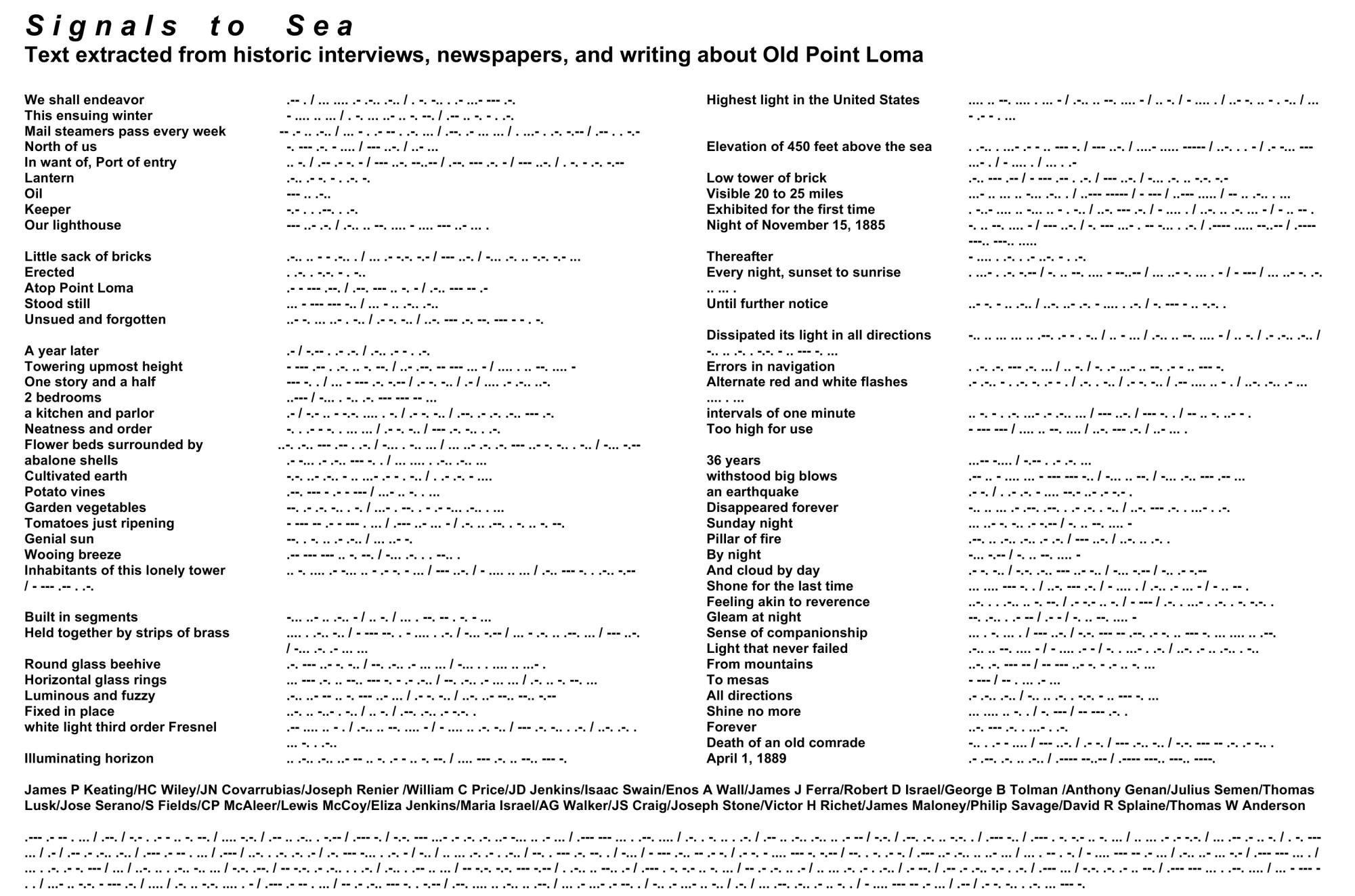
-
“Signals to Sea” A running poem, written by the artist, containing the excerpts of historic sources from the Old Point Loma Lighthouse (including news articles, lighthouse keeper diary entries, letters, etc), translated to morse code, and messaged out via Naval signal light to the Pacific Ocean. Ongoing performance from sunset to close during “Convergence” show, Cabrillo National Monument.
Photo credit: Marya Alford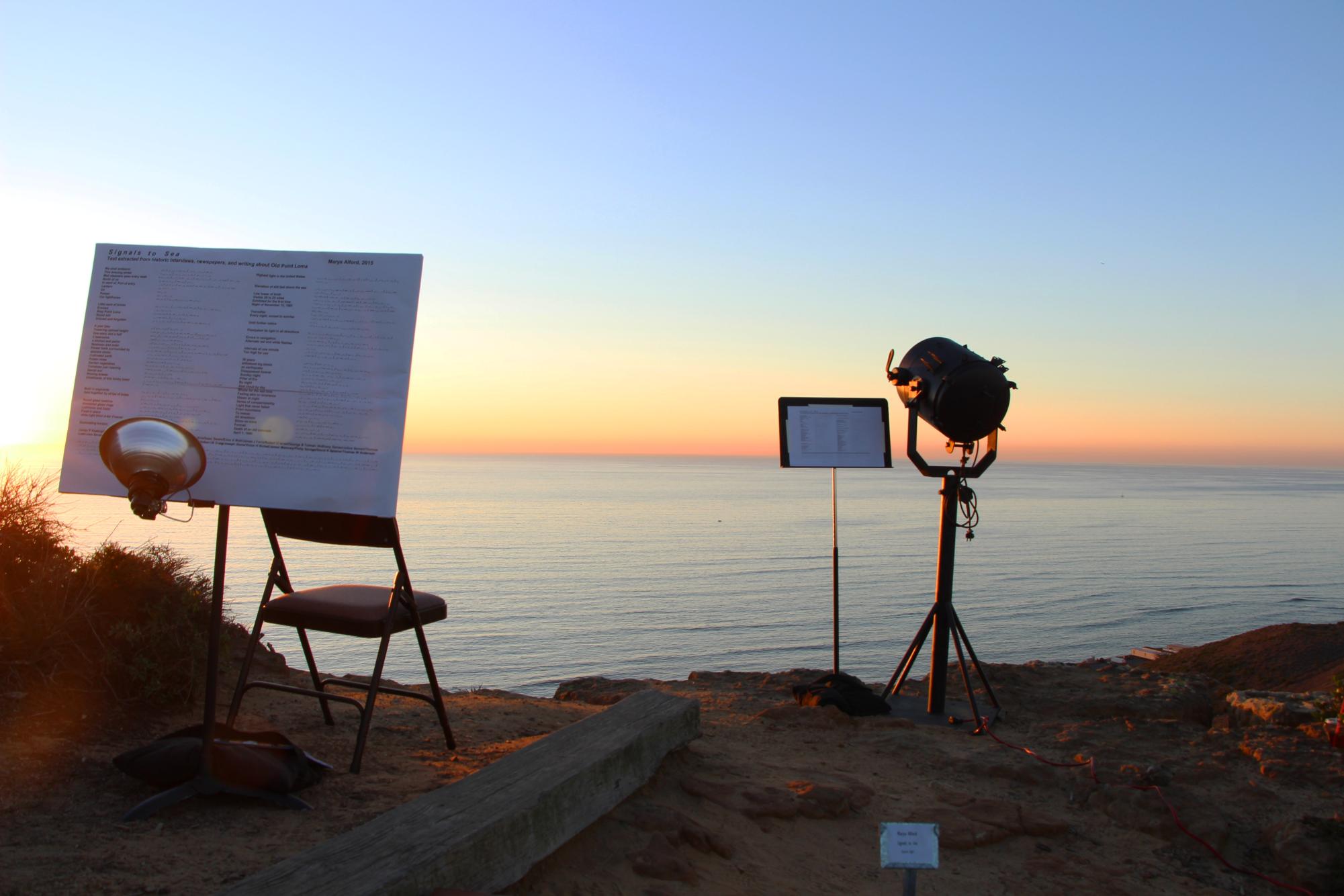
-
“Signals to Sea” A running poem, written by the artist, containing the excerpts of historic sources from the Old Point Loma Lighthouse (including news articles, lighthouse keeper diary entries, letters, etc), translated to morse code, and messaged out via Naval signal light to the Pacific Ocean. Ongoing performance from sunset to close during “Convergence” show, Cabrillo National Monument.
Photo credit: Marya Alford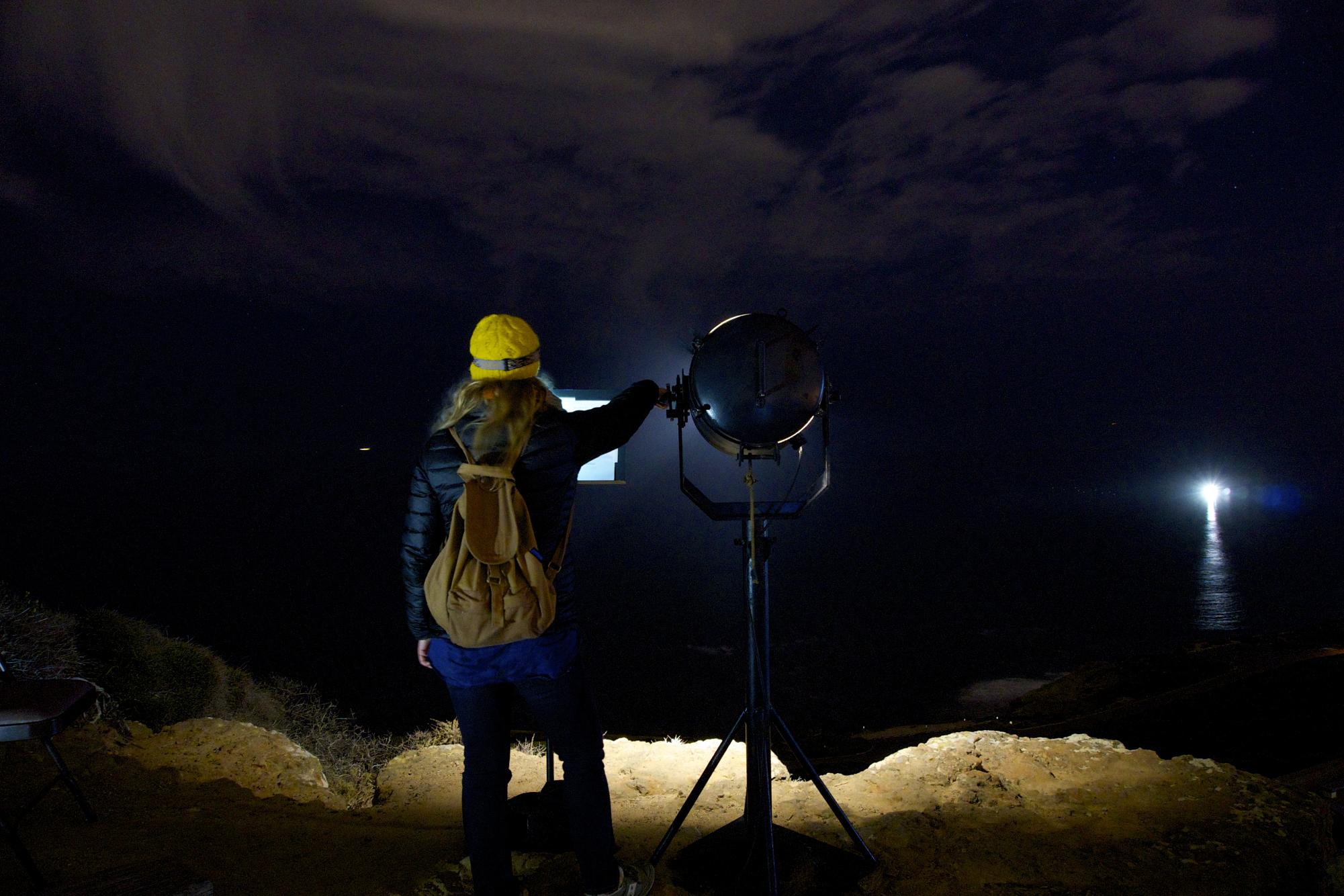



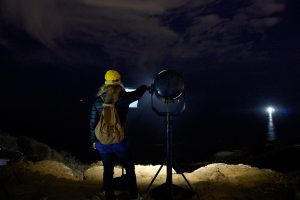
Samples of Alford’s artwork over the years.


Charlotte Burnap • Jan 25, 2026 at 12:49 pm
INCREDIBLE work, Nika!! Congrats on your first story!!
Nika Honarpour • Jan 25, 2026 at 8:44 pm
Thank you!