


Nutrition is defined by the Cleveland Clinic as consuming the right amount and combination of nutrients to keep the body functioning. Finding and maintaining this balance improves body health and having an awareness of nutritious habits can support healing and mental health and lead to a more balanced lifestyle. It can also help individuals better understand the foods that compose their diet and the ways those foods impact bodily function.
According to the National Library of Medicine, a diet is a combination of foods and beverages consumed by individuals. Diets are context-specific and may differ due to cultural, economic, health and other factors. A fad diet is a trendy dietary pattern recognized as a quick fix for obesity — a chronic disease that affects overall health, quality of life, self-esteem and mental health. However, many of these fad dietary behaviors lack scientific evidence, raising the question: Do they actually work?
Director of Nutrition and Wellness at Culinart Group and registered nutritionist Stephanie Dorfman believes learning to create a balanced lifestyle is important and translates that well-rounded mentality into her practice. Culinart supplies Archer’s servery with food for its students. Growing up as a gymnast, Dorfman learned early on about nutrition’s key role and impact on her day-to-day life. Dorfman said she believes all foods should be involved in a diet to keep a healthy relationship with food, as all foods may have a positive impact on the body.

“I think a lot of common misconceptions relate to whatever fad diets are going around town. I know protein is really having a time right now, … but I think all food has really been created for a reason: our body,” Dorfman said. “Our bodies know best what we need. So my main philosophy with Culinart is [that] the only foods that you should not eat are the foods that you are allergic to, that have gone bad or that you just do not like. Everything else is fair game on the table.”
Natalie Coleman, fitness and wellness teacher at Archer, instructs her students about nutrition in her Human Development curriculum. She believes nutritious habits are about what works best for an individual, such as a nonrestrictive diet and finding fun ways to exercise. She said exercise should not be complicated and recommends going on “fart walks,” which are walks after a meal that help with digestion.
“Healthy habits find that balance that works for you, your energy levels again and being happy… [they] make you feel happy [and] fulfilled, so whatever you eat brings joy to your life,” Coleman said. “Do not be afraid to eat whatever you want to eat and go for a walk, especially with family, after a meal. Having those fart walks and conversations are fun. It is so good for digestion, and you get to go and be with people that you love and love to hang out with.”
Meghan Lambert-Jackson, director of Culinart dining services at Archer, said food and people’s relationships with it can impact body image. She said that any meal can offer nutritional value, but emphasized that balanced meals are especially important for students who spend their day in school.
“We live in Los Angeles, so body image is always a really big thing, especially being at an all-girls school. [I am] trying to offer things that anybody could eat,” Jackson said. “Using your brain all day is exhausting, and a lot of people might not think of it that way, because it is different from running or being physically active… My goal is to get everybody to at least eat a little something throughout the day, to keep them going.”
Dorfman said she feels many people demonize carbs without realizing they are one of the most important nutrients and the body’s main source of energy. Strictly focusing on protein or fat intake does not allow for the human body and brain to thrive. The human body requires different nutrients every day, depending on factors such as sleep and exercise.

“The gold standard is to incorporate fruits and vegetables into our daily intake for vitamin and mineral purposes. And you hear dietitians and health professionals talk about ‘eating the rainbow.’ You want to have a ton of colors in your natural daily intake. But we also have to look at the whole picture… If you are staying on top of your medical exams and taking care of your body from a medical standpoint, it is a good way to check what you are potentially missing,” Dorfman said. “Listen to your body. Odds are, if you were to eat pizza or donuts regularly for a number of days, you probably won’t feel great. Taking that into consideration, it is one big experiment… seeing how your body reacts to certain foods and how it makes you feel.”
Coleman said she wishes more people understood that everyone’s genetics and bodies are different. How one body will react to a certain food may differ from how someone else’s would react. She said developing healthy habits surrounding eating, exercising and sleep will support sustained physical and mental health.
“When I first started here, a lot of students had negative [perceptions] about nutrition,” Coleman said. “Social media plays a huge part in what the ideal body is… Everyone thinks they need to have this perfect plan, but it is as easy as just going on a walk.”
Learning about nutrition and having access to healthy food options is not accessible everywhere. Cleveland Clinic states that many factors have contributed to the recent rise of obesity: stress, lack of sleep and exercise, genetics, medication and underlying health issues. Two in five adults in the United States have been diagnosed with obesity, a condition influenced by both socioeconomic factors and genetics.
“Genetics, depending on people’s family history, socioeconomic status, what kind of food people have access to and what kind of food they can afford, [play a role]. Organic produce helps. The typical healthier foods tend to be more expensive, so what people have access to monetarily could definitely come into play,” Dorfman said. “Bodies grow, bodies change, bodies shift. How we feed ourselves and how we move also factor into our body size, but I think genetics is the strongest indicator of what our body is going to do.”
Exercising caution about information on social media is essential, as it should only be coming from a credentialed resource. Dorfman said weight stigma comes into play through social media and what we see on TV; however, no body type is the correct one.
“We see [actors] in very specific body images, but not necessarily the way that we have to be. There is no one healthy body size. And I think the more that we talk about that and make it something that is more common knowledge, it will hopefully reduce weight stigma over time,” Dorfman said. “Being smaller does not mean that you are healthier, and being smaller does not mean that you are better. Being you is like the best thing that you can do, whatever that looks and feels like.”
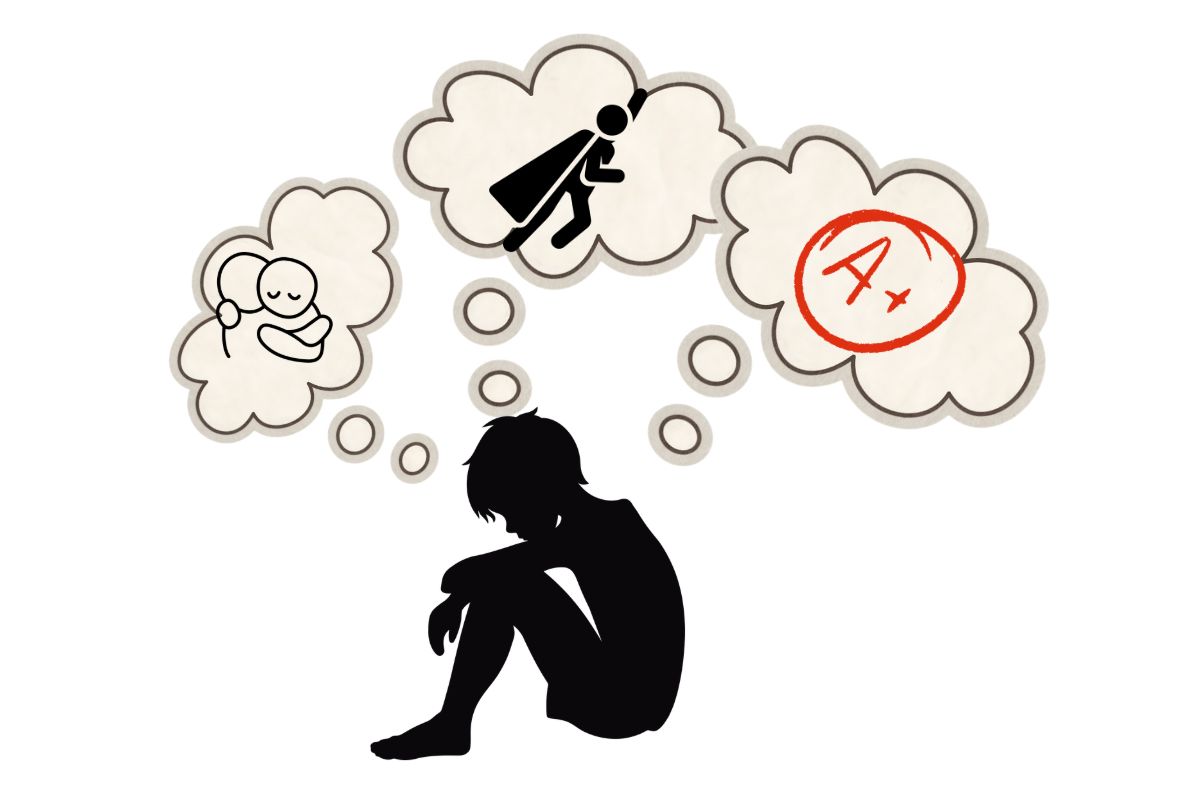
All information in the graphic below is from the National Library of Medicine.







Clara Lieberstein • Jan 16, 2026 at 1:48 pm
I love this so much, Georgia!! Thank you for writing about this so beautifully and with such nuance!
Imbar Sagi-Lebowitz • Jan 15, 2026 at 8:30 pm
love this topic! so
important to write about!