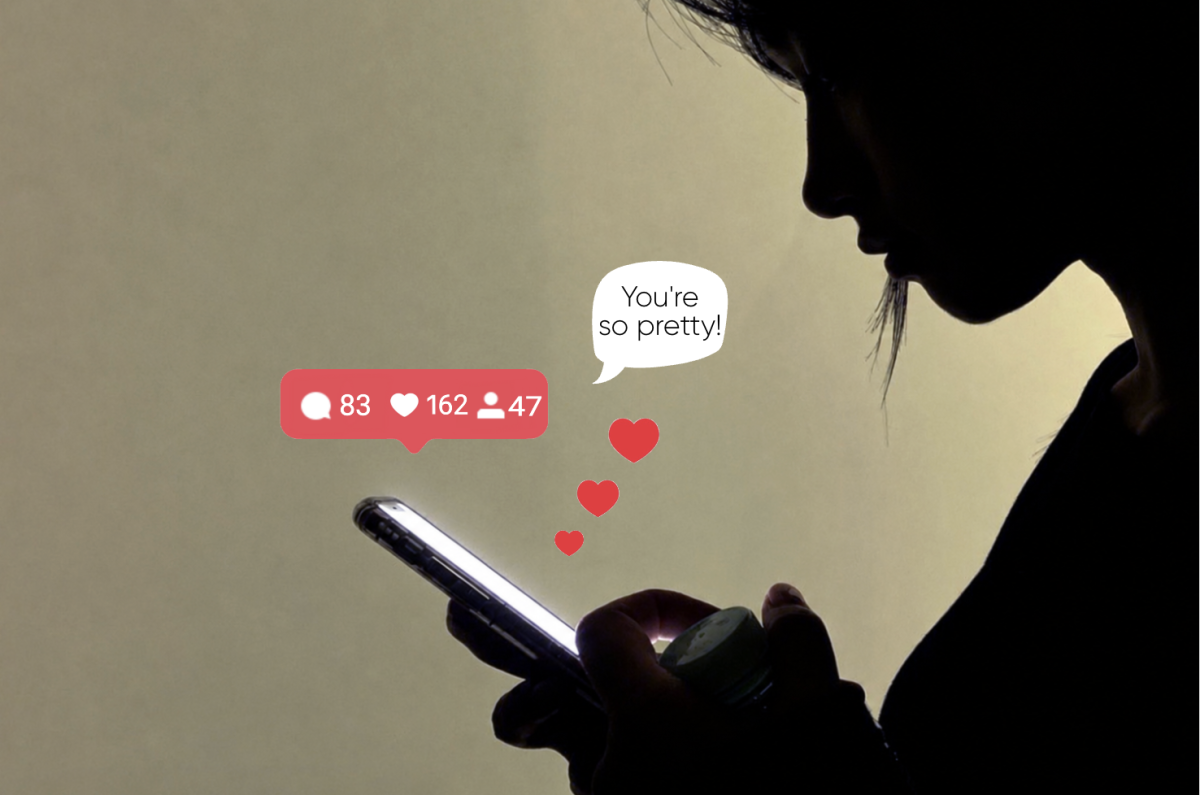
The Class of 2028 sent their final text messages Monday, March 23, before turning in their phones for a week. After a three-hour bus ride from the Archer campus to Joshua Tree National Park, students stepped off the bus and prepared for separation from addictive apps and blue light.
Arrow Week is an Archer custom where eighth, 10th and 12th grade classes attend weeklong backpacking trips in the wilderness. This year, the 10th grade class traveled to Joshua Tree National Park.
The class backpacked in two groups of varying difficulties. Level 1 remained in the frontcountry and partook in rock scrambling, hiking and rappelling. Level 2 hiked into the backcountry and backpacked to different locations to set up camp each night. The students in level 2 also scrambled and hiked up mountains.
Alice Rifenbark (’28) was part of the level 1 group for this Arrow Week. Rifenbark has attended previous Arrow Week trips and is familiar with the zero-device policy. This year, however, Rifenbark said the zero-device rule meant more than it had previously meant, now that devices have become more involved in her daily life.
“I was scared I would get so much fear of missing out from what is happening in Los Angeles. Things could happen with my friends who don’t go to Archer and I wouldn’t know. I couldn’t talk to them or my parents,” Rifenbark said. “I was stressed about it because without your phone, if something happens, you can’t really do anything or call anyone. I was worried I would get bored, but I didn’t really get bored.”
On the other hand, sophomore Sophie Salehi, who was in level two, said she felt excited to have relief from her usual responsibilities.
“I wasn’t worried about it at all, and I was excited to not have any responsibilities,” Salehi said. “I didn’t have any responsibilities other than doing my best every day at the camp, and that wasn’t hard because it was fun.”
After bonding with her group over the unusualness of being fully detached from devices, Salehi said having the whole class all do it together felt more comfortable.
“Everyone had to give up their phone, so nobody was feeling the FOMO,” Salehi said. “In society, if I want to be off my phone for a few days, I get so detached, or I feel like I am going to get so detached, because there are online references, and people are always texting, and it’s just so difficult not to feel left out.”
Devices are always ringing, lighting up and grabbing attention. Rifenbark said it was clarifying and refreshing to be in an environment where electronics were not present and there were spaces for silence.
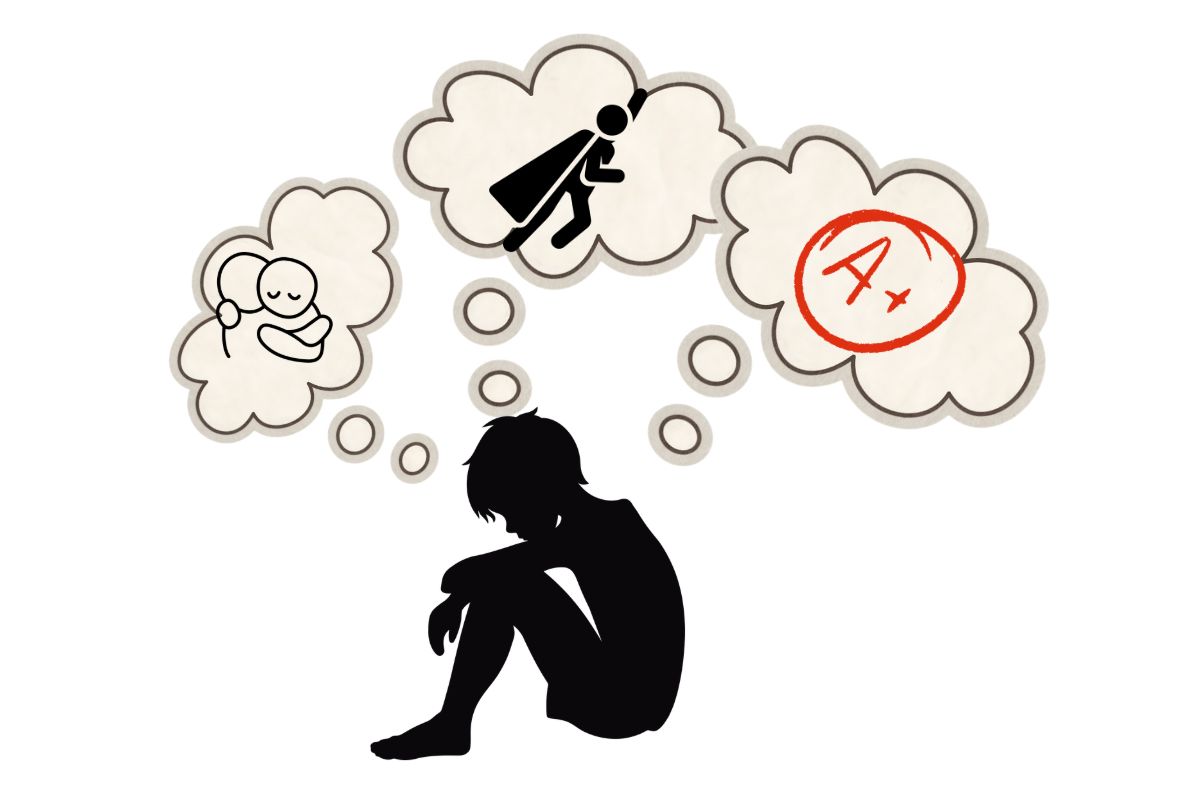
“There is never a moment when I am just sitting and not really doing anything,” Rifenbark said. “There is always something that I could be doing, there is always something that I should be doing and there is always something that I will be doing. It was weird to sit just with my thoughts with no one to tell them to.”
Normally, Salehi said she feels the same pressure of always needing to be doing something and that it feels nearly unacceptable to be doing nothing back at home. She said the most creativity flows when doing nothing.
“An issue with our society is that you always need to be doing something. You always need to be go-go-go,” Salehi said. “When, in reality, the best and your most creative and strongest ideas are formed when you are the most bored.”
Luella Moshtogi (’28) went into Arrow Week unexcited. She said she was not eager to live without her phone for a week and dreaded giving it up. However, after being on the trip, she said she developed new ways to have fun with genuine interaction.
“We played cards a lot, and I didn’t miss it as much as I thought I would. Honestly, I forgot to pick up my phone, that’s how disconnected I was. I think it showed some growth because, before, I was thinking that the second this trip was over, I would want my phone. But the second I got on the bus, I forgot to even pick it up. I like playing cards now more because that’s what we did for entertainment, and even if I had the option of being on my phone, I would choose to do other stuff.”
Moshtogi and Rifenbark both said it is best to prioritize decompression and entertainment through forms other than devices or screens.
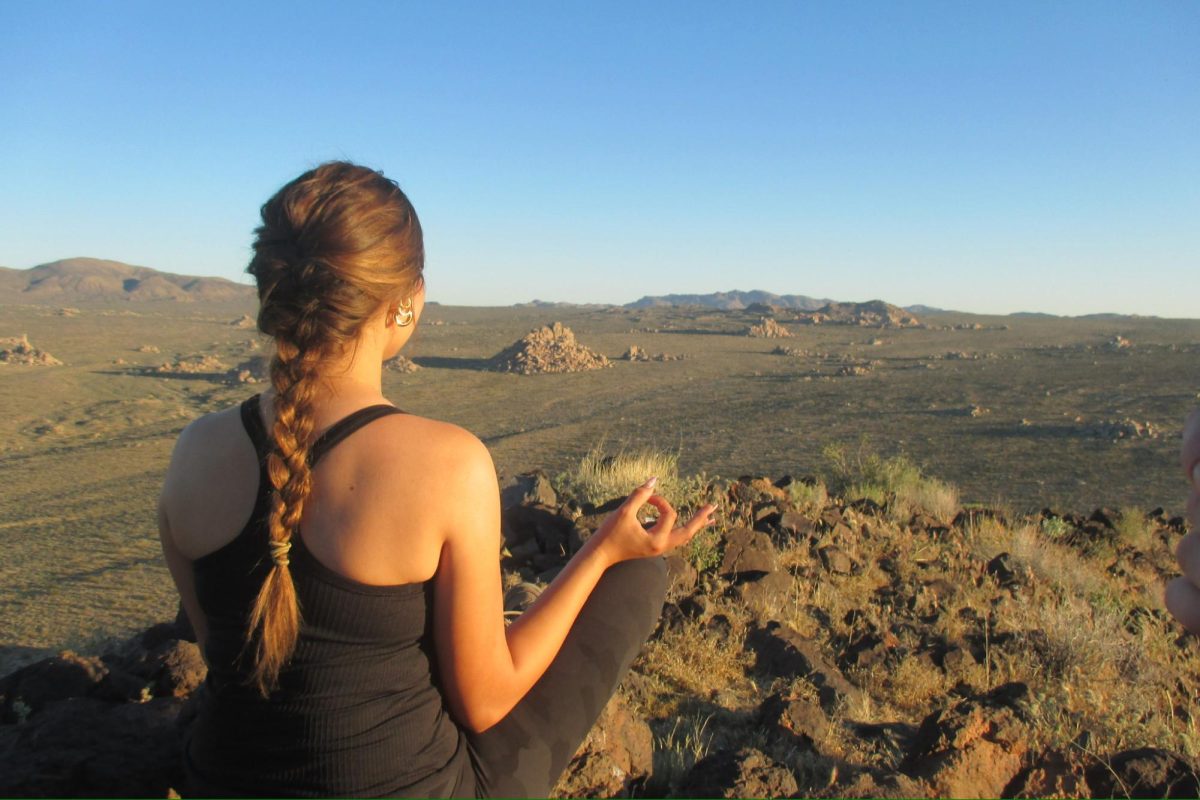
In both level one and two, each student was tasked with a “solo,” where the student would sit alone for two hours. During a “solo,” students cannot see any other group members, simulating being completely alone in the wilderness. No entertainment, such as books, activity books or even a watch to tell the time were permitted. Instead, students had a journal and a pencil to reflect.
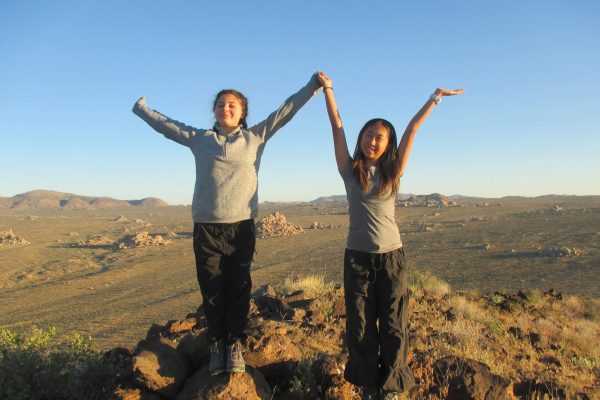
“I learned that it’s good to take a break sometimes and go into nature. I loved the solo because it was just nice,” Rifenbark said. “We have been with everyone the entire trip, and, finally, you have a minute or two hours where you just sit alone. It went by so fast for me. I didn’t think it was over when they came to tell us it was done.”
Being alone with her thoughts was valuable, and Salehi said she wanted to bring time away from screens back to Los Angeles, prioritizing genuine thought and physical brainstorming.
“You come up with so many more strong ideas when you are writing on paper,” Salehi said, “because you really have to sit there and think about what you are writing. You can’t just go back and quickly edit it — you are fully committed to it.”
For example, while she was stargazing, Moshtogi said she was able to retain more information.
“When we were all looking at the stars and we had a physical example, which was pointing to the stars right in front of us as we just lay there, I think I took in a lot more information because I still remember most of what we learned about the stars,” Moshtogi said. “I don’t even remember what we learned last week in class. I feel like I took in the information a lot more.”